East Africa
Gorilla Trekking
Rwanda, Uganda or DRC? Choosing the Right Destination
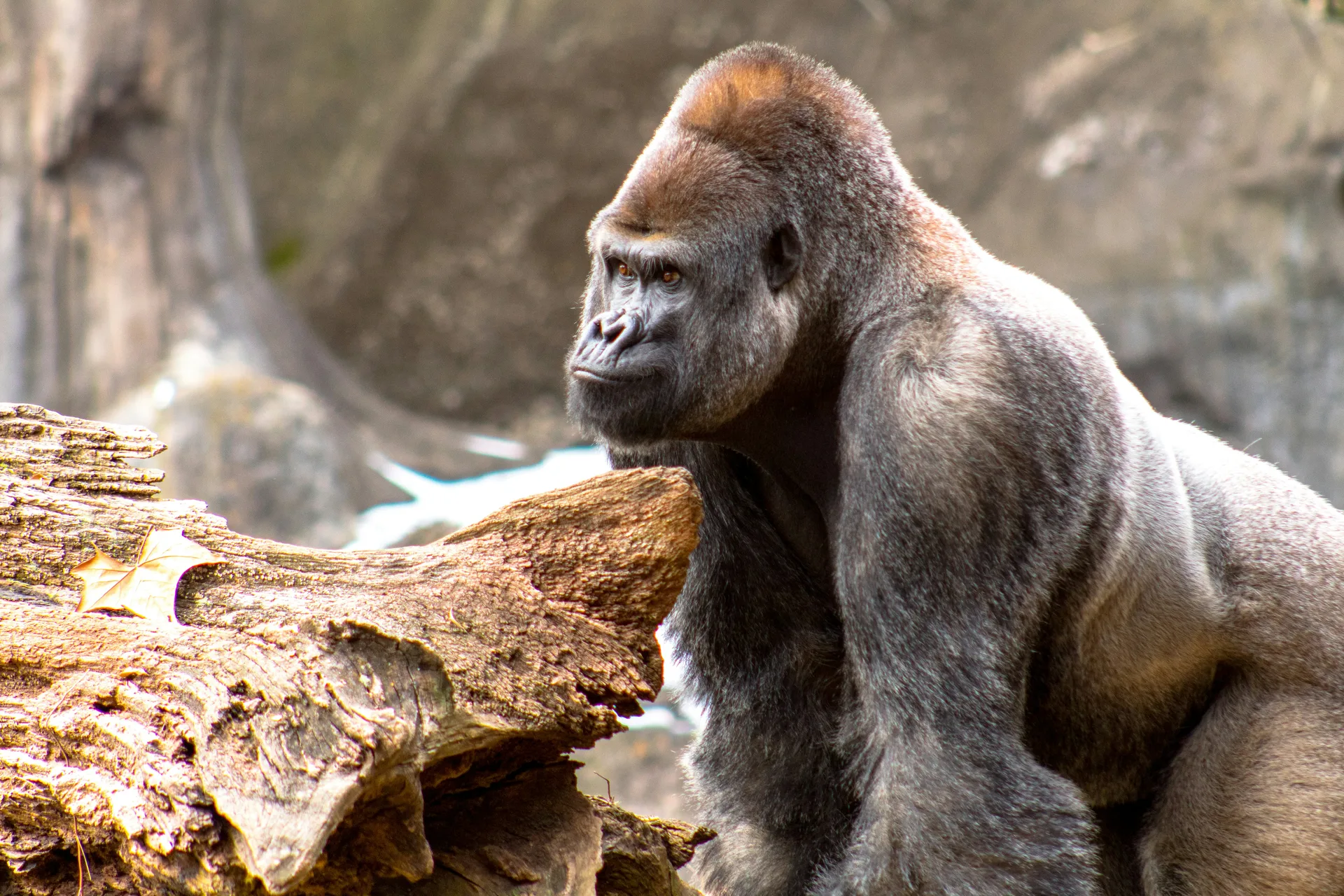
Mountain gorilla trekking is one of the most extraordinary wildlife experiences on the planet — a genuine face-to-face encounter with our closest relatives in their natural habitat. In our experience, gorilla trekking is less about the trek itself and more about the moment — a deeply personal encounter that is often the highlight of the entire journey. Rwanda and Uganda offer very different experiences, and this guide breaks down what matters when helping your clients choose.
Pick Your Forest
Rwanda and Uganda are home to habituated mountain gorilla families, each offering a distinct experience. The key differences are permit price, trek duration, luxury accommodation options, and overall accessibility. The Democratic Republic of the Congo is also an option, though it suits a more niche, adventurous client.
 Volcanoes NP
Rwanda
Volcanoes National ParkRwanda provides a more accessible, premium experience with shorter transfer times. The permit is the most expensive but the experience is the most polished — shorter treks, extraordinary lodges (Singita, One&Only, Wilderness), and easy combination with Kigali’s culture and memorial. Most habituated gorillas per family, and the trek is generally shorter. Ideal for luxury-focused clients or those short on time.
 Bwindi Impenetrable Forest
Uganda
Bwindi Impenetrable ForestUganda offers greater value and a wider range of lodges, with more gorilla families than anywhere else in the world. The experience is wilder — treks through genuinely impenetrable forest can vary from relatively short to several hours depending on the location of the gorilla family. Bwindi can be combined with a savannah safari at Queen Elizabeth or Murchison Falls, making it ideal for clients who want both forest and plains. Uganda also offers a unique 4-hour habituation experience (~USD 1,500) for clients who want an even deeper encounter.
 Virunga NP
Democratic Republic of the Congo
Virunga National ParkVirunga is Africa’s oldest national park and a UNESCO World Heritage Site. At USD 400, it’s the most affordable gorilla permit, but tourism stability remains limited and each trip must be individually assessed. For the right adventurous client, it can be a remarkable experience — though it is not core to most itineraries we build.
Quick Comparison
What Your Clients Need to Know
Gorilla trekking is possible year-round, but the dry seasons make it significantly more comfortable. June–September is the primary dry season across all three destinations. December–February is a shorter dry window. The wet season (April–May, October–November) brings lush forest but muddy, slippery trails — treks can be more challenging but permits may be cheaper or more available.
Treks can vary from relatively short to several hours depending on the location of the gorilla family. Rwanda's treks are generally shorter and more predictable. Uganda's Bwindi can be genuinely exhausting — clients should know this upfront. Porters are available at all destinations and are highly recommended. Altitude ranges from 2,200–4,500m, so altitude awareness is relevant, particularly for DRC.
Long trousers and long-sleeved shirts are essential — the forest is full of nettles, insects, and thorns. Sturdy waterproof hiking boots are non-negotiable (ankle support is important). Garden/work gloves help when grabbing branches. A light rain jacket or poncho is important even in the dry season — it's a rainforest. Gaiters keep mud and ants out of boots. Dark or neutral colours preferred.
Permits are limited and often sell out months in advance, particularly in peak seasons — early planning is essential. The permit includes one hour with a habituated gorilla family, as well as park entry, ranger guides and trackers. Additional costs such as porters, accommodation and logistics are separate. Groups are limited to 8 people per gorilla family per day. The minimum age for gorilla trekking across all destinations is 15 years. Speak to us about permit availability and timing.
Exploring Gorilla Trekking in Africa?
We've trekked in all three countries and know which destination suits which client. Let's talk through the right fit.
More Agent Guides
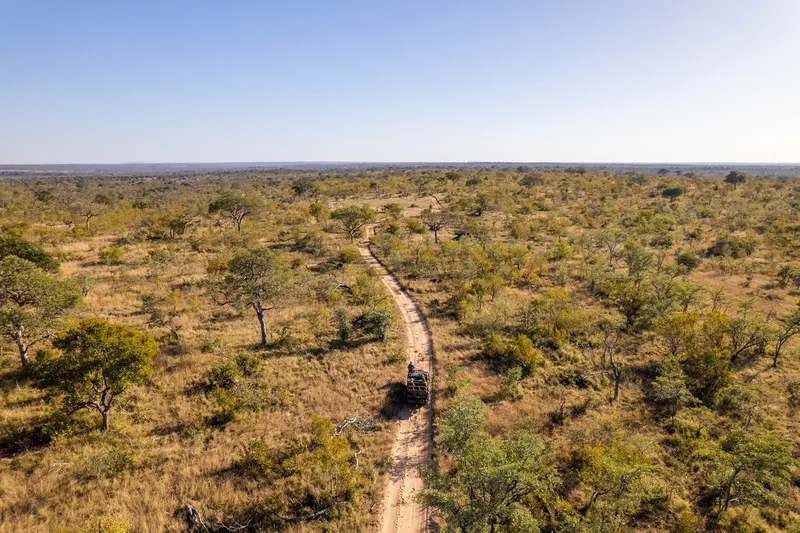
Comparing Safari in East and Southern Africa
Choosing between East Africa and Southern Africa? We break down wildlife, landscapes, exclusivity, and price — and how to match your client to the right destination.
Read more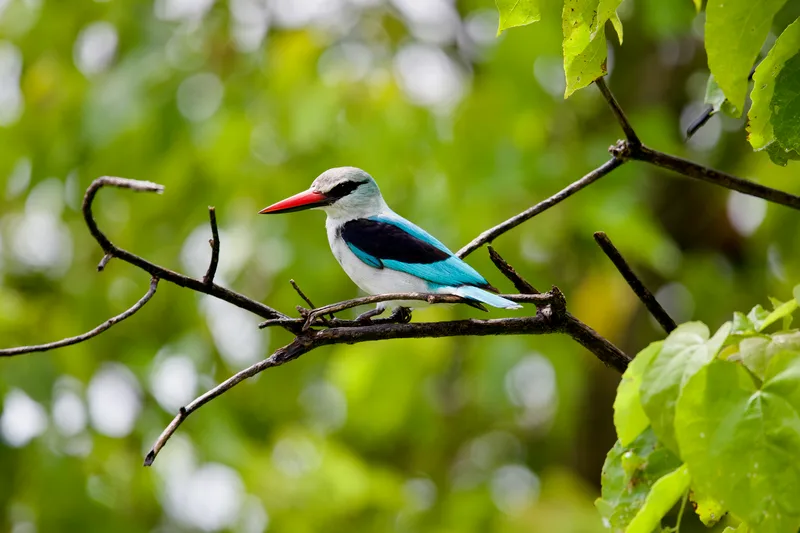
When to Go
Month-by-month seasonality for 11 regions — from the Great Migration in East Africa to gorilla trekking, Victoria Falls, Zanzibar, and the Indian Ocean islands.
Read more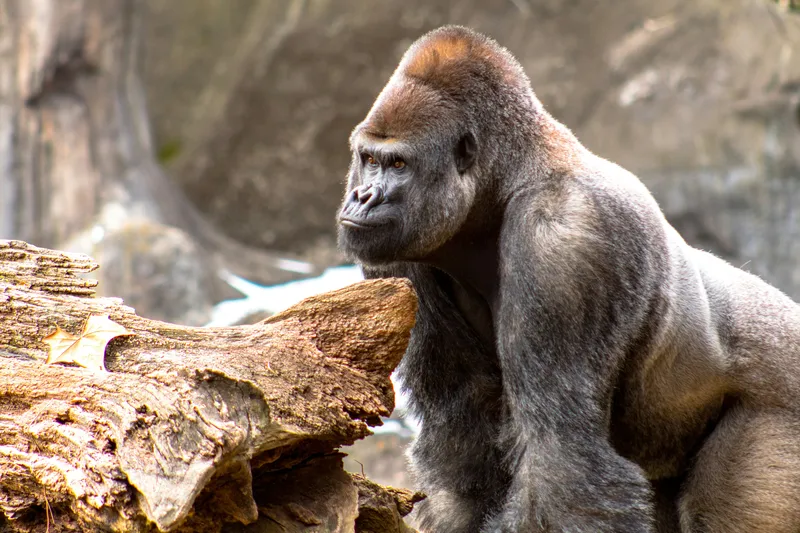
Gorilla Trekking: Rwanda, Uganda and DRC
Rwanda, Uganda, or DRC? A complete comparison of permits, trek difficulty, lodge quality, and which destination suits which traveller.
Read more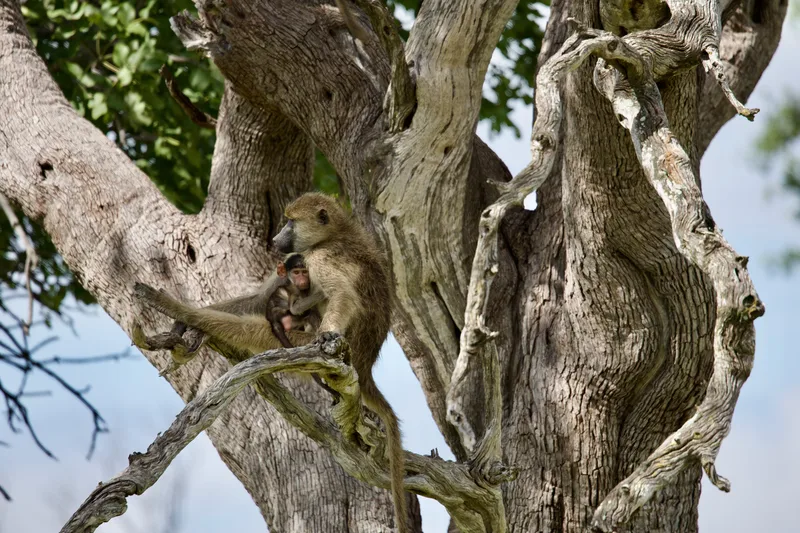
Africa Packing Lists: Safari, Gorilla Trekking & More
What to pack for safari, gorilla trekking, and coastal Africa — covering weight limits, neutral colours, and the kit that actually makes a difference.
Read more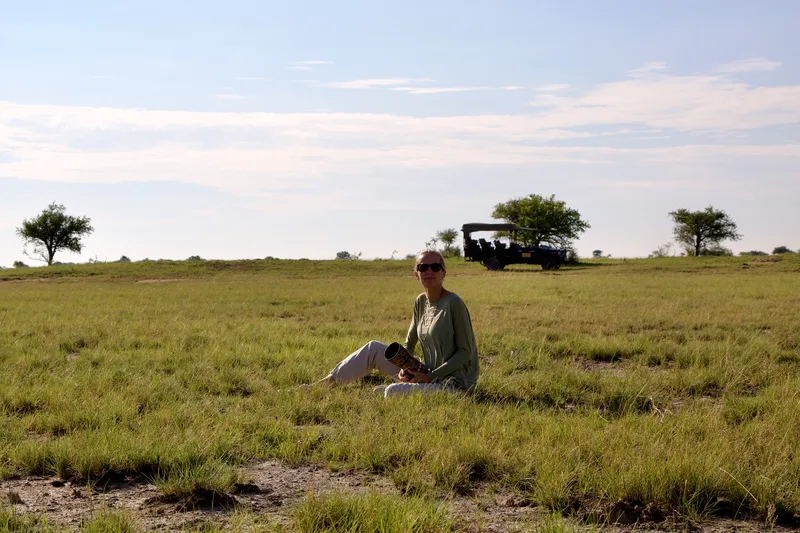
Wildlife Photography
From the exposure triangle for beginners to advanced technique and brand-specific camera settings for Canon, Nikon, Sony, and Fujifilm.
Read more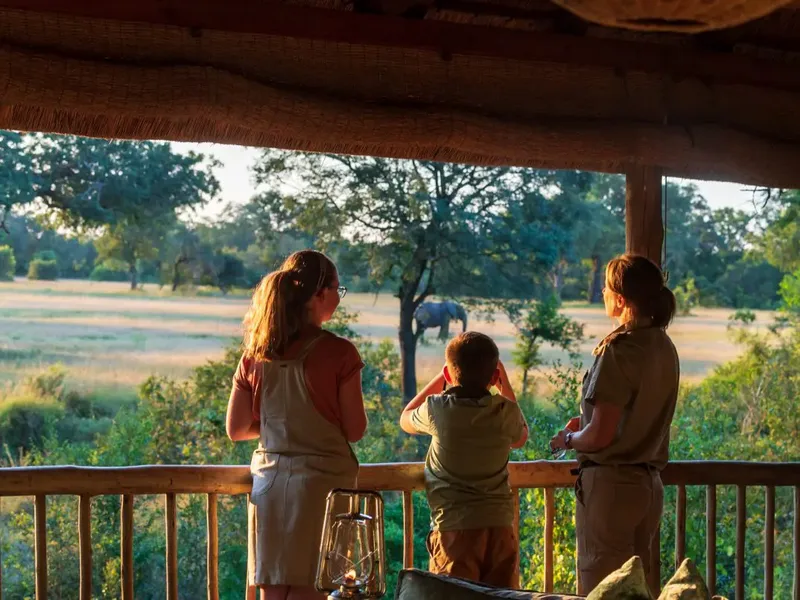
Travelling in Africa with Families
Age requirements, lodge selection, private vehicles, and how to tailor the safari experience for families travelling with children.
Read more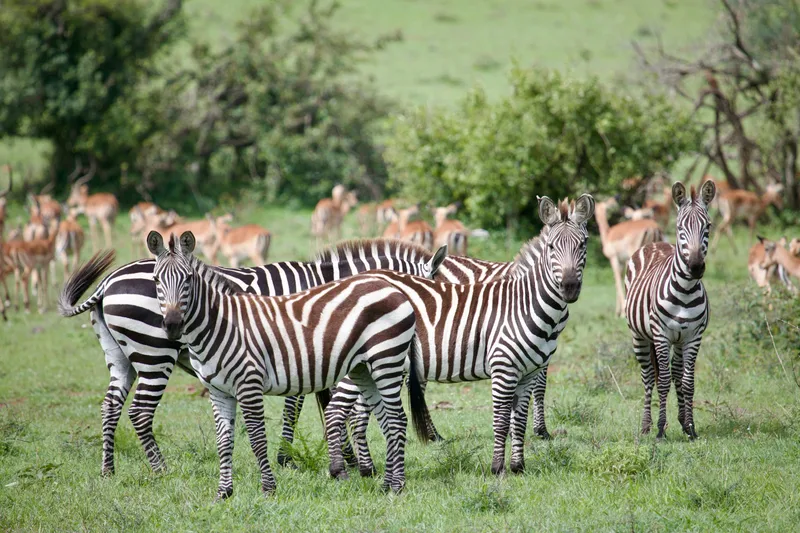
The Great Migration Explained
A year-round guide to the movement of 2 million animals across the Serengeti and Masai Mara — where to be, when, and what your clients can expect.
Read more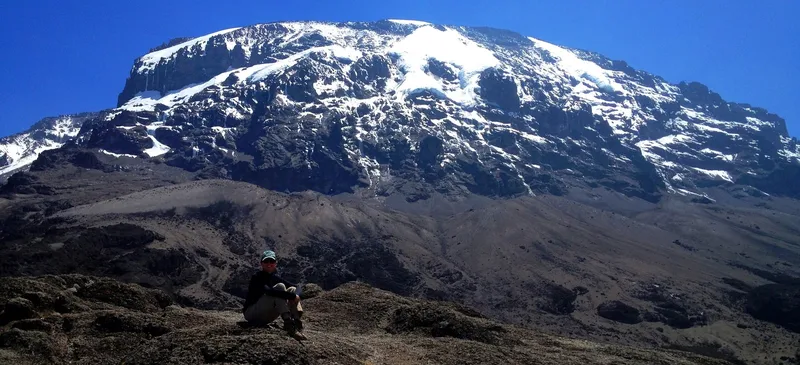
Climbing Kilimanjaro
Routes, duration, altitude, and preparation — a practical guide to planning a Kilimanjaro climb for your clients.
Read more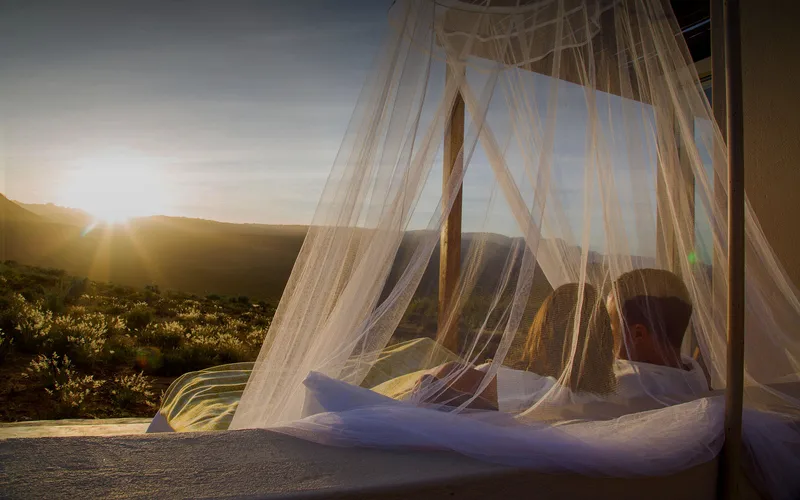
Honeymoons in Africa
Private safari camps, barefoot beach escapes, and extraordinary landscapes — a guide to planning bespoke African honeymoons for your clients.
Read more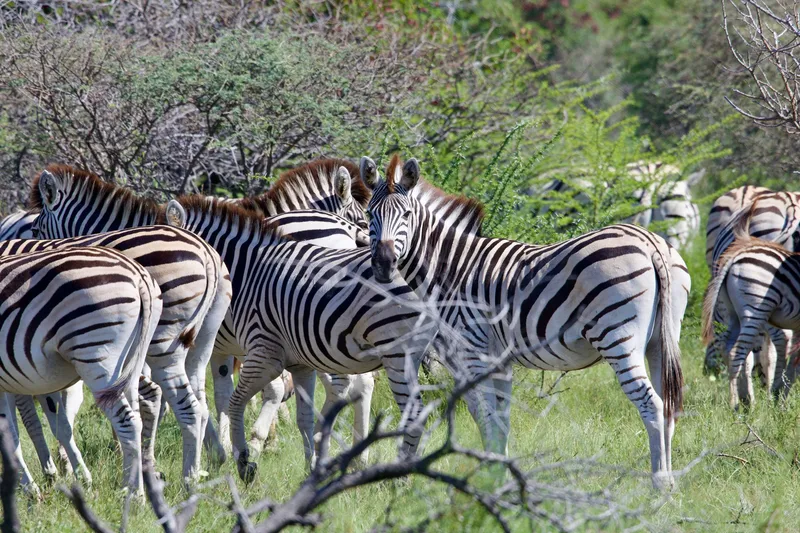
Southern Africa: Know Before You Go
The pre-trip essentials for Southern Africa — visas and passports, departure taxes, yellow fever and malaria, money and cards, tipping, and bush-flight luggage limits. Fact-checked and dated.
Read more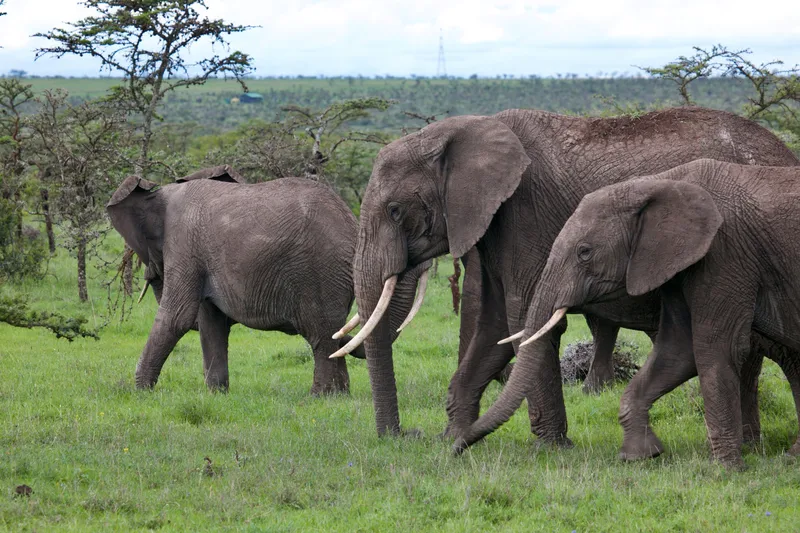
East Africa: Know Before You Go
The pre-trip essentials for Kenya, Tanzania, Uganda and Rwanda — eTA and visas, the East Africa Tourist Visa, yellow fever certificates, malaria, money and cards, tipping, gorilla permits, and 15kg bush-flight limits. Fact-checked and dated.
Read more