Seasonality Guide
When to Go
Africa’s Seasons, Decoded
“When should I go?” is the question that shapes everything else in an Africa itinerary. Get it right and you’ll witness wildebeest crossings, baby elephants at waterholes, and gorillas in clear mountain forests. Get it wrong and you’ll be watching rain from a camp that’s half closed. This guide covers 11 regions — from the Serengeti to the Seychelles — month by month. It’s built for first-timers who need a starting point and seasoned Africa travellers who want to find the gaps.
Two Seasons, One Continent
Most of sub-Saharan Africa has two seasons: a dry season and a wet season. The dry season is almost always the better time to travel — wildlife concentrates at water sources, roads are passable, and lodges are fully operational. But the wet season has its own rewards: lower prices, lush landscapes, calving wildlife, and fewer vehicles.
Africa's dry season is the classic safari window — and for good reason. Without rain, water concentrates in rivers, pans, and boreholes. Animals converge on these fixed points, creating extraordinary wildlife density in predictable locations. Vegetation thins, sightlines improve, and the bush opens up. In southern Africa, the dry season runs May–October. In East Africa, there are two distinct dry periods: a long dry from June–October, and a shorter dry in January–February. Plan around these windows and you will rarely be disappointed.
When the rains arrive, Africa transforms. Landscapes go from dry tawny gold to vivid green in a matter of days. Calving season follows the rains as prey species time their births to coincide with new grass. Migratory birds arrive in enormous numbers. Prices drop significantly — sometimes by 30–40% — and the most exclusive camps become genuinely accessible. The green season is not for everyone: some roads become impassable, some camps close, and finding animals in dense vegetation takes skill. But for experienced travellers, it's Africa at its most raw.
Month by Month
An overview of 11 regions across the continent. Scroll horizontally on mobile.
Which Traveller Are You?
The right season depends as much on who you are as where you're going. Here's how to match your interests and constraints to Africa's calendar.
East Africa in July–October — you'll see the Migration and experience the classic big-sky, big-cat Africa of your imagination. If July–October isn't possible, don't wait: Tanzania in January–February (calving season) or Kruger in May–September are both excellent first safaris with no seasonal compromise.
If you've done East Africa, go south. Botswana's Okavango Delta (May–October) is unlike anywhere else on the planet — water-based, exclusive, and extraordinary. Zimbabwe's Hwange combined with Victoria Falls gives you the best elephant viewing in Africa and one of the world's great natural wonders in a single trip.
Calving season in the Serengeti (January–February) for predator action. The Kalahari's green season (February–April) for meerkats and dramatic red dunes after rain. Chobe's dry-season elephant herds (September–October) for sheer volume. The Namibian dunes in golden-hour light any time of year. Combine two of these and you'll barely sleep.
The long dry season (June–September) is perfect for both. Spend 2–3 days trekking gorillas in Rwanda's Volcanoes NP or Uganda's Bwindi, then connect to Kenya or Tanzania for the Migration. Rwanda to Nairobi is a 2-hour flight. The combination is one of Africa's most powerful itineraries.
The June–October dry season aligns East Africa's safari peak with its beach peak. Fly into Nairobi, safari in Kenya or Tanzania for 5–7 nights, then fly down to Zanzibar for 4–5 nights. Same season, one trip, two completely different Africas. Or combine Kruger with Cape Town — both excellent May–September.
School holidays often land in July–August — which is perfect for East Africa and southern Africa. Avoid the green seasons with young children (road conditions, malaria risk). Cape Town year-round is ideal for families: malaria-free, beaches, penguins, sharks, and Table Mountain. Pair with Kruger (May–Sept) for a complete trip.
Kenya & Tanzania
East Africa rewards visits almost year-round — but knowing the rhythms unlocks something exceptional. Two great events drive the calendar: calving season in the southern Serengeti (January–February) and the dramatic Mara River crossings of the Great Migration (July–October).
The Serengeti and Masai Mara form a single ecosystem divided by an international border. The wildebeest don't observe it, and neither should your planning. Calving season — when up to 8,000 calves drop per day in the southern Serengeti — is one of the most emotionally charged wildlife events on the continent, and it happens in the low season when prices and crowds are a fraction of the high-season peak. For returning visitors, the Ngorongoro Crater delivers 365 days a year; Amboseli is extraordinary for elephants against Kilimanjaro any month; and the Laikipia Plateau in Kenya's north offers exceptional predator sightings with genuine exclusivity year-round.
The southern Serengeti is carpeted with newborns — cheetahs, lions, and hyenas hunting at their most active. Lower visitor numbers, manageable prices, warm dry days. Often overlooked; one of the best-value wildlife experiences in Africa.
Heavy rains can make tracks difficult and some remote camps close. Landscapes are vivid and lush. Prices drop significantly. Not recommended for first-timers, but experienced Africa travellers with flexibility can find extraordinary value.
The classic safari window. Wildlife concentrates at permanent water. The Migration moves north into the Masai Mara. River crossings peak July–October — dramatic, unpredictable, and unforgettable when they happen. This is the most booked period; plan 12+ months ahead for the best camps.
Short afternoon rains with sunny mornings. The Migration begins its southward return. Green landscapes, good birding, fewer vehicles. A genuine value window — and December in the Mara can be exceptional.
Okavango Delta & Chobe
Botswana operates on a counterintuitive seasonal logic: the Okavango's flood arrives in the dry season, not the wet. Rains fall in Angola's highlands in January–March; those waters travel 1,000km south and arrive in the delta around May–July, just as the dry season begins.
The result is a phenomenon unlike anywhere else in Africa — a vast inland delta full of water precisely when the surrounding landscape is at its driest. Islands emerge as water spreads, concentrating wildlife on ever-shrinking landmasses. Mokoro (dugout canoe) channels fill, allowing water-based game viewing that is simply impossible elsewhere in southern Africa. Chobe, in the north, is driven by a different clock: its riverfront becomes one of the greatest elephant spectacles on earth in the dry months, when herds of hundreds gather on the Chobe River. Botswana protects its safari industry with premium pricing and low visitor numbers — experience here costs more than East Africa, but the exclusivity is unmatched.
Rains fall locally. Water is everywhere, but the delta proper hasn't flooded yet. Lush landscapes, calving wildlife, excellent birding. Some remote camps close. A fraction of peak prices and genuinely beautiful — but not the classic Okavango experience.
Angola's floodwaters arrive. The delta transforms. Channels fill, islands are cut off, wildlife congregates. The transition into peak is visible week by week. Early-peak visitors see the flood at its most dynamic with slightly lower rates.
The delta is fully flooded, the dry-season sky is cloudless, and game viewing is extraordinary. Mokoro safaris, boat trips, walking safaris, and game drives all operating. Wildlife density is exceptional as animals concentrate around permanent water. Book 18 months ahead for the best camps.
Kruger & The Bushveld
South Africa's safari season operates on the classic dry-season logic — May to September is when the bush thins, animals concentrate at waterholes, and game viewing is at its best. But the summer months have their own appeal for those willing to accept a harder search.
Kruger National Park and the private concessions on its western boundary (Sabi Sands, Timbavati, Manyeleti) together represent one of Africa's great wildlife destinations. The Sabi Sands in particular is renowned for leopard sightings — its resident cats are habituated to vehicles and tracked daily, making it consistently the best place in Africa for close leopard encounters. During the dry season, the Shingwedzi and Letaba rivers concentrate elephant, buffalo, and predator alike. The green season (October–April) brings thunderstorms, explosive bird diversity, and calving impalas, but dense vegetation makes finding big cats harder. Summer also brings higher malaria risk in Limpopo Province.
Bush is thin, waterholes are busy, and animals are easier to spot. Mornings are cold (0–10°C) — pack layers. July–August is the busiest period. Leopard, lion, wild dog, and cheetah sightings are most consistent in this window.
Summer rains bring vivid landscapes and exceptional birding — over 500 species, many migratory. Impala calving attracts predators. Game is harder to spot in thick vegetation but present; and summer thunderstorms over the bushveld are spectacular.
Cape Town & The Cape
Cape Town operates on a Mediterranean calendar — opposite to most of Africa. Its best season is summer (November–April): dry, hot, and magnificent. Most of Africa's peak safari window (May–October) coincides with Cape Town's cooler, wetter winter.
For itinerary planning, this is a genuine gift: a Kruger safari in May–September can be paired with Cape Town in November–April with no seasonal conflict. Cape Town's year-round appeal is exceptional — wine tasting in Franschhoek and Stellenbosch, the Cape Peninsula, Table Mountain, Boulders Beach penguins, and the Garden Route. But the Cape's seasonal highlight is whale watching. Southern right whales enter Walker Bay near Hermanus to calve from July through November, with September–October the absolute peak. Whale Crier-guided watching from shore, or boat tours, make this one of the world's great coastal wildlife experiences.
Warm, dry, and spectacular. Beach days, wine routes in full bloom, Cape Peninsula wildflowers in August–October. Ideal for families and those combining with safari elsewhere. December–January is peak tourist season — book well ahead.
Southern right whales arrive in Walker Bay to calve. September–October is peak — dozens visible from shore at Hermanus. Coincides with Cape Town's cooler, wetter winter, but whale watching alone often justifies the visit. Days are often sunny despite the season.
Cooler (10–18°C), wetter, and quieter. Fewer tourists, lower hotel rates. Green mountains and dramatic skies make for excellent photography. The fynbos heathland flowers in late winter. Perfectly combinable with safari in Kruger or Botswana during their peak.
Desert, Dunes & Meerkats
Namibia and the Kalahari share the dry-season logic of southern Africa, but with their own drama: the Namibian desert rewards year-round visits, and the Kalahari's green season brings a remarkable transformation — meerkats active, predators hunting green-season prey, and the pan flooded to a shallow lake.
Sossusvlei's towering dunes are at their most spectacular at sunrise and sunset year-round, but the cooler months (May–October) allow midday exploration without extreme heat. Etosha National Park peaks in the dry season when massive waterholes become the stage for extraordinarily close elephant, lion, and black rhino encounters. The Kalahari offers something different: its red sands are technically a 'fossil desert' — the Kgalagadi Transfrontier Park receives enough rain to support remarkable wildlife. The green Kalahari (January–April) brings calving wildebeest, raptors, and a landscape unlike the dry season's burnt sienna palette. Meerkats are active and more easily habituated year-round, but the green season's photogenic setting makes it particularly rewarding for photographers.
The classic Namibia window. Etosha's waterholes at maximum activity. Sossusvlei is manageable and the dunes at their sharpest. Kgalagadi's predators concentrated along dry riverbeds. Clear skies for extraordinary stargazing in one of the world's darkest countries.
The Kalahari transforms after rains — meerkats, oryx calves, and raptors at their most visible. Etosha is lush and harder for game viewing, but the green season in Kgalagadi is rewarding. Sossusvlei's heat is extreme midday but dawn light on the dunes is incomparable.
Victoria Falls
Victoria Falls offers two distinct experiences depending on the Zambezi's water level. High water (March–June) delivers one of the most powerful natural spectacles on earth — a roaring, drenching curtain of white water. Low water (August–November) reveals the rock face and opens the world's most dramatic natural infinity pool.
The Zambezi River's levels are determined by rains that fall on the Zambian and Angolan plateaux, peaking in April–May. At peak flow, the volume of water creates a permanent rain cloud over the gorge — you will get soaked standing on the viewing paths, and visibility of the actual falls is limited to close-range drama. The low-water months (August–November) allow the full rock face to emerge, the rainbow mist to settle, and the lip of the falls to be visible. Devil's Pool — a natural rock pool at the very lip of the falls on the Zambian side — opens in September and is swimmable (under guide supervision) through November. The surrounding wildlife circuit (Hwange National Park, Chobe just across the border) is at its safari best in exactly this low-water window.
The Zambezi carries up to 500 million litres per minute. The falls thunder, the mist drenches everything within 500 metres, and the power is visceral. You can't see much — but you feel it. A pilgrimage experience for those who want spectacle over clarity.
Peak combination: flow is still very high but mist begins to thin enough for photography. White-water rafting below the gorge is at its most extreme. The spray forest on the Zimbabwe side is lush and dense. Most people rate this as the ideal Victoria Falls visit.
The full rock face is revealed. Devil's Pool is accessible from September. White-water rafting begins as the gorge levels drop. The falls are still powerful but photographable. October–November: water at its lowest but the surrounding safari circuit (Hwange, Chobe) is at peak.
Mountain Gorilla Trekking
Mountain gorillas are tracked year-round — they have no migration and no hibernation. The season affects not the gorillas themselves but the quality of the trek to find them. Dry season trails through rainforest are demanding; wet season trails are slippery, steep, and exhausting.
Rwanda's Volcanoes National Park and Uganda's Bwindi Impenetrable Forest operate on two dry seasons: June–September (the long dry season, ideal for trekking) and December–February (the short dry season). Outside these windows, both parks receive significant rainfall — trails become slick, bamboo thickets close in, and the trek takes longer. But gorilla permits are cheaper in the shoulder and wet seasons, and the gorillas themselves are always present. Both countries limit daily permits: Rwanda permits cost USD 1,500 per person; Uganda's range from USD 700–800 depending on the forest section. Demand in peak season is very high — book 6–12 months ahead. A single morning with a gorilla family rarely lasts less than an hour and is consistently described as a transformative experience regardless of season.
The best trekking window. Trails are firm, visibility is good, and days are clear. Most people combine Rwanda gorilla trekking with an East Africa safari in the same window. Rwanda's Volcanoes National Park can be done as a 2-night extension to any Kenya/Tanzania itinerary.
A close second to the long dry season. Trails are dry and manageable. A good option for those travelling over the northern hemisphere holiday period or who want to combine with East Africa's calving season (January–February). Permits are slightly more available than June–September.
Treks are harder but not impossible. Heavy forest cover becomes denser. Trails are slippery and some sections require scrambling through mud. Permits are cheaper and more available. For fit, experienced travellers on a budget, this is a viable option.
Zanzibar, Seychelles & The Coast
The East African coast and its island extensions operate on a monsoon calendar. The key is simple: avoid the long rains (April–May), and align the coast extension with the safari. The good news is that the best safari season (June–October) perfectly overlaps with the best beach season.
Zanzibar, Pemba Island, and the Kenyan coast (Watamu, Diani, Lamu) all share the same broad monsoon pattern. The long rains (kaskazi) run April–May; the short rains (masika) arrive in November. Outside these windows, the coast is warm, clear, and excellent. The Seychelles operates on inter-monsoon peaks — April–May and October–November are the calmest periods, when trade winds are minimal and both the northwest and southeast island coasts are swimmable. The southeast monsoon (June–September) creates rough conditions on exposed southern beaches but makes Praslin and La Digue's sheltered north shores exceptional. Mauritius is best November–April (summer), with July–August bringing cooler, windy conditions on the east coast. Across all Indian Ocean islands, water temperature stays warm (26–30°C) year-round — but marine conditions and accessibility vary significantly.
This window aligns with East Africa's safari peak — convenient for a beach extension. The SE trade winds (kusi) make the east coast of Zanzibar rough in June–July, but the sheltered west coast (Nungwi, Kendwa) remains calm and excellent. Conditions improve through August–October. Outstanding for kitesurfing at Paje.
Hot and dry with minimal wind. Ideal for snorkelling and diving — visibility excellent. Pairs well with Tanzania's calving season (January–February) in the Serengeti. A quieter period than the June–October peak with softer prices.
Extended heavy rains bring humid, grey weather. Many beach properties close or run at minimal operation. Not recommended for beach travel. Some dive sites are accessible but visibility is reduced. Skip these months for the coast entirely.
Let’s Find Your Window
Dates don't always align with the ideal season — but Africa has more flexibility than most people realise. Talk to us and we'll find the right combination of timing, destination, and experience for your client.
More Agent Guides
Comparing Safari in East and Southern Africa
Choosing between East Africa and Southern Africa? We break down wildlife, landscapes, exclusivity, and price — and how to match your client to the right destination.
Read more
When to Go
Month-by-month seasonality for 11 regions — from the Great Migration in East Africa to gorilla trekking, Victoria Falls, Zanzibar, and the Indian Ocean islands.
Read more
Gorilla Trekking: Rwanda, Uganda and DRC
Rwanda, Uganda, or DRC? A complete comparison of permits, trek difficulty, lodge quality, and which destination suits which traveller.
Read more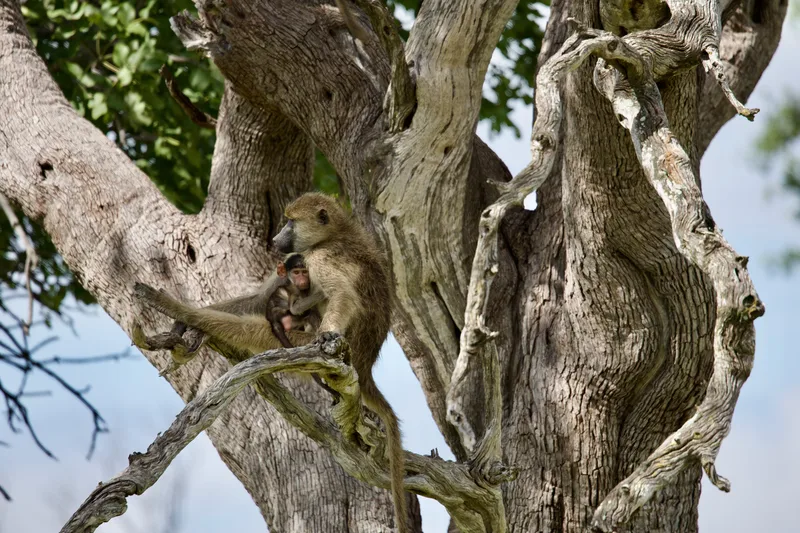
Africa Packing Lists: Safari, Gorilla Trekking & More
What to pack for safari, gorilla trekking, and coastal Africa — covering weight limits, neutral colours, and the kit that actually makes a difference.
Read more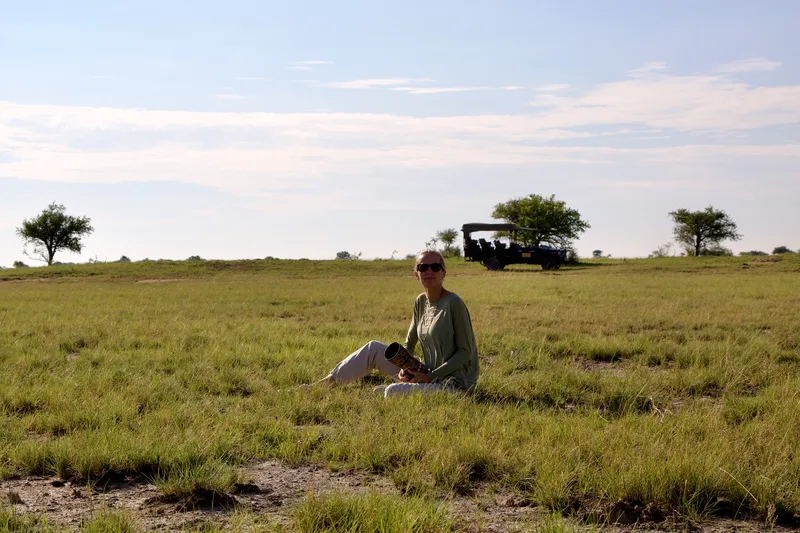
Wildlife Photography
From the exposure triangle for beginners to advanced technique and brand-specific camera settings for Canon, Nikon, Sony, and Fujifilm.
Read more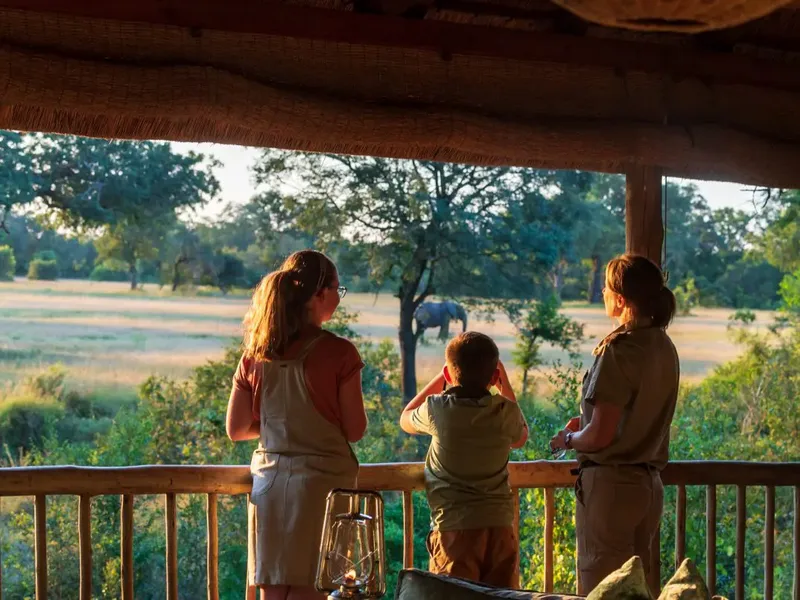
Travelling in Africa with Families
Age requirements, lodge selection, private vehicles, and how to tailor the safari experience for families travelling with children.
Read more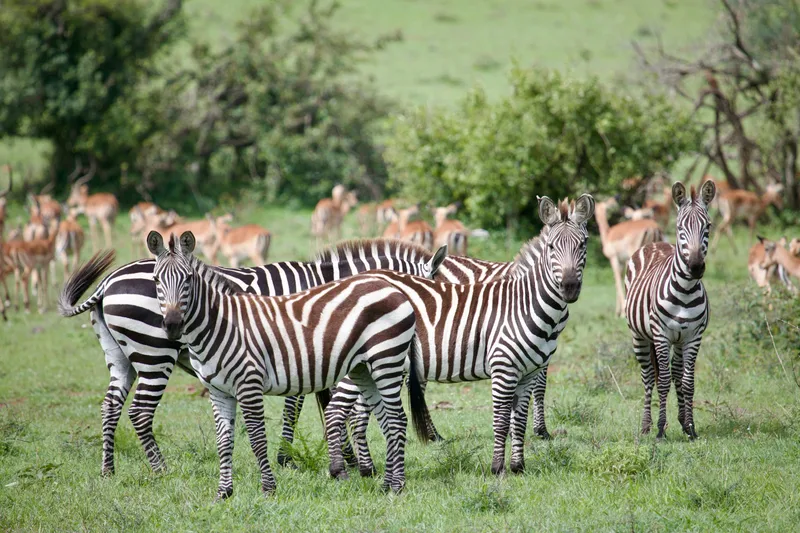
The Great Migration Explained
A year-round guide to the movement of 2 million animals across the Serengeti and Masai Mara — where to be, when, and what your clients can expect.
Read more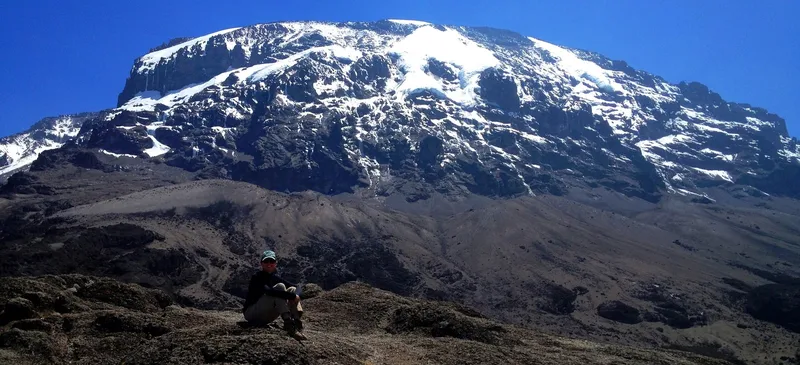
Climbing Kilimanjaro
Routes, duration, altitude, and preparation — a practical guide to planning a Kilimanjaro climb for your clients.
Read more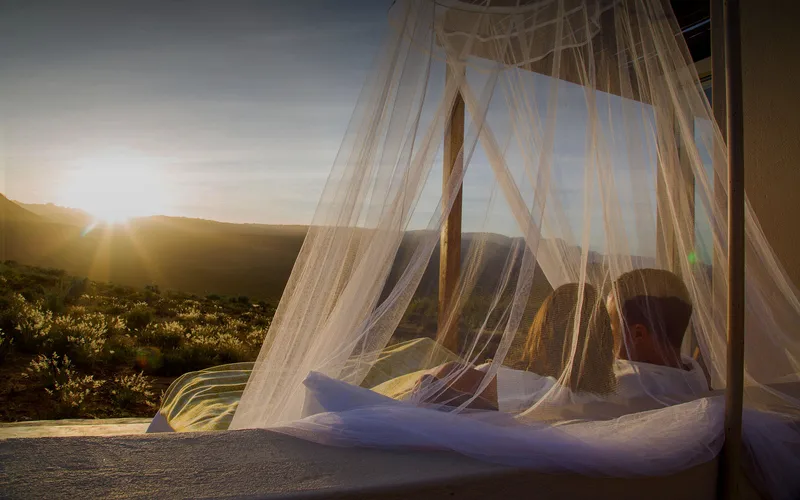
Honeymoons in Africa
Private safari camps, barefoot beach escapes, and extraordinary landscapes — a guide to planning bespoke African honeymoons for your clients.
Read more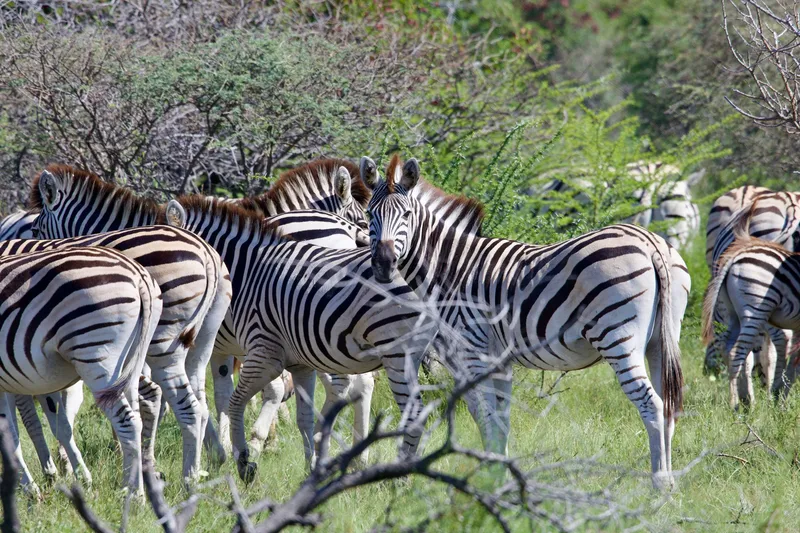
Southern Africa: Know Before You Go
The pre-trip essentials for Southern Africa — visas and passports, departure taxes, yellow fever and malaria, money and cards, tipping, and bush-flight luggage limits. Fact-checked and dated.
Read more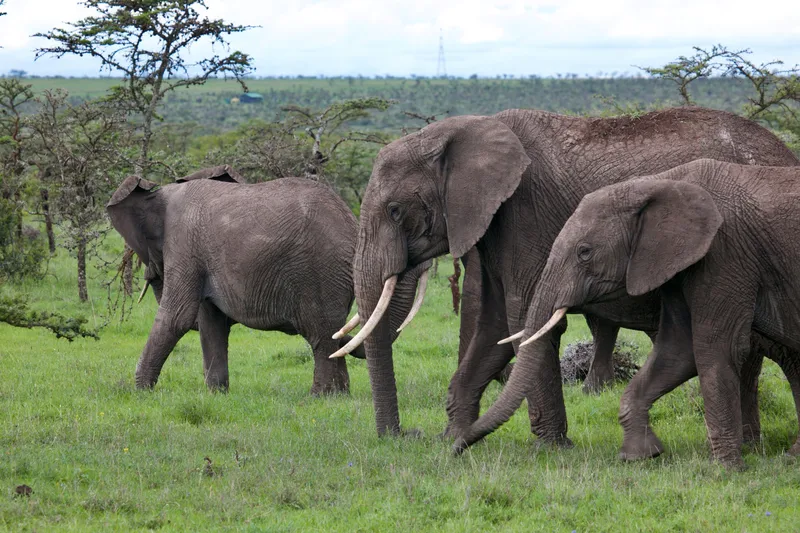
East Africa: Know Before You Go
The pre-trip essentials for Kenya, Tanzania, Uganda and Rwanda — eTA and visas, the East Africa Tourist Visa, yellow fever certificates, malaria, money and cards, tipping, gorilla permits, and 15kg bush-flight limits. Fact-checked and dated.
Read more