Family Travel
Africa with Families
Meaningful Travel, Thoughtfully Planned
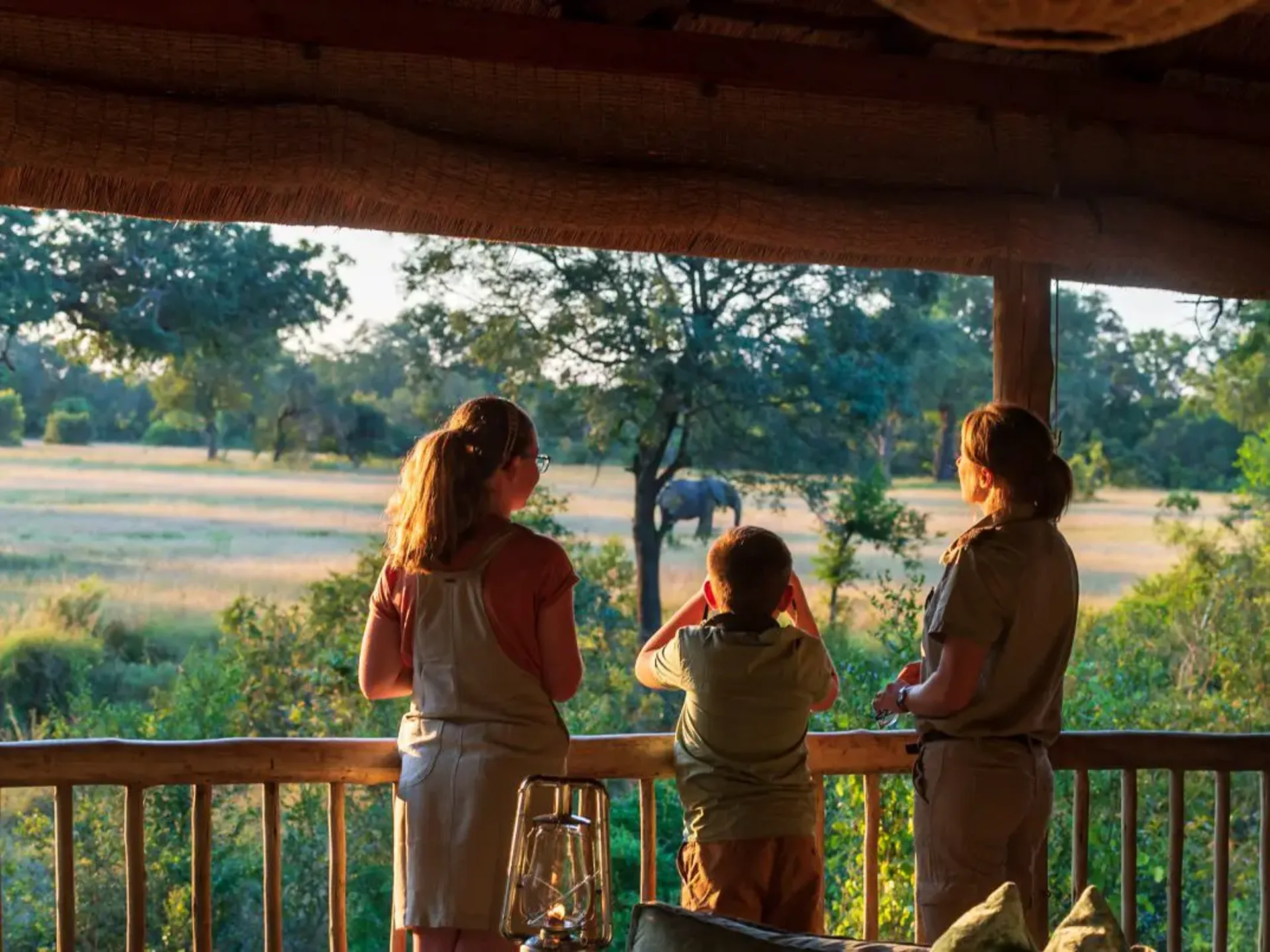
A well-planned family safari is one of the most transformative experiences you can offer. Children who watch a lion hunt at dawn, track elephant footprints with a ranger, or spend an hour studying a gorilla family in the forest do not forget it. But family safari planning demands more care than any other category — age policies, lodge selection, activity suitability, and on-the-ground logistics must all align precisely. This guide walks through every decision point, from traveller profiles to pre-departure checklists.
Understanding Your Family Clients
Family safari clients are not a single type. A family with a four-year-old needs a completely different itinerary to one with teenagers. Before making any destination or lodge recommendation, establish the ages of every child travelling — and plan from there. The youngest child sets the ceiling for activities.
Young Families
First SafariYoung children are often the most enthusiastic safari participants — their energy and excitement can be infectious, and seeing Africa through their eyes is genuinely extraordinary. The key is managing the itinerary carefully: short drives, flexible timing, and lodges that actively welcome small children. Private vehicles are non-negotiable in most parks for under-7s, allowing you to set your own pace and duration. East Africa’s abundant wildlife density means shorter drives yield bigger sightings — ideal for limited attention spans. Look for lodges with dedicated children’s programmes, swimming pools, and family-friendly rangers.
Active Families
Safari & BeyondThis age group is perhaps the sweet spot for family safari. Children aged 8–12 are old enough to follow a ranger’s tracking narrative, appreciate animal behaviour, and engage with the complexity of an ecosystem — but young enough that everything is still genuinely marvellous. They can handle longer drives with the right guide, and many camps allow participation in junior ranger activities. Southern Africa opens up as a viable option at this age — the Okavango Delta, boat safaris on the Chobe, and the Sabi Sand all become appropriate. Shared game drives may work depending on the group composition.
Teenage Expeditions
Full Africa AccessTeenagers are Africa’s most converted safari clients — the ones who come back as adults and as clients of their own. At 15, gorilla trekking in Rwanda or Uganda becomes possible, opening one of the continent’s most profound wildlife encounters. Walking safaris (typically from 16 at most lodges) offer a completely different and deeply engaging connection with the bush. Consider adding a Kilimanjaro climb as a genuine challenge that produces extraordinary family memories and a sense of individual achievement. These itineraries can be genuinely ambitious: multiple countries, diverse ecosystems, physical challenge, and depth.
Multi-Generational
Flexibility FirstMulti-generational groups require the most careful lodge selection of all. The youngest child’s age sets the minimum threshold for every activity, while grandparents may have mobility considerations that rule out certain camps or vehicle types. Private villa and exclusive-use lodges solve many of these challenges at once — the group eats, gathers, and experiences Africa on their own schedule, with guides who adjust the entire day for the group rather than any individual. Boat safari options in Southern Africa are particularly excellent for mixed-mobility groups, delivering extraordinary game viewing without the physical demands of a bush walk.
Before You Book
Family safari planning demands a systematic approach. These are the confirmations and questions that separate a smooth family trip from a stressful one. Work through every item before confirming any itinerary — each one has a real consequence if missed, and most cannot be resolved once your clients are on the ground.
What’s Permitted When
These are general industry guidelines — individual lodge and operator policies vary significantly. Always confirm each activity with the specific property before building it into an itinerary. Some camps operate above the industry minimum; others are more flexible for accompanied families.
East Africa for Families
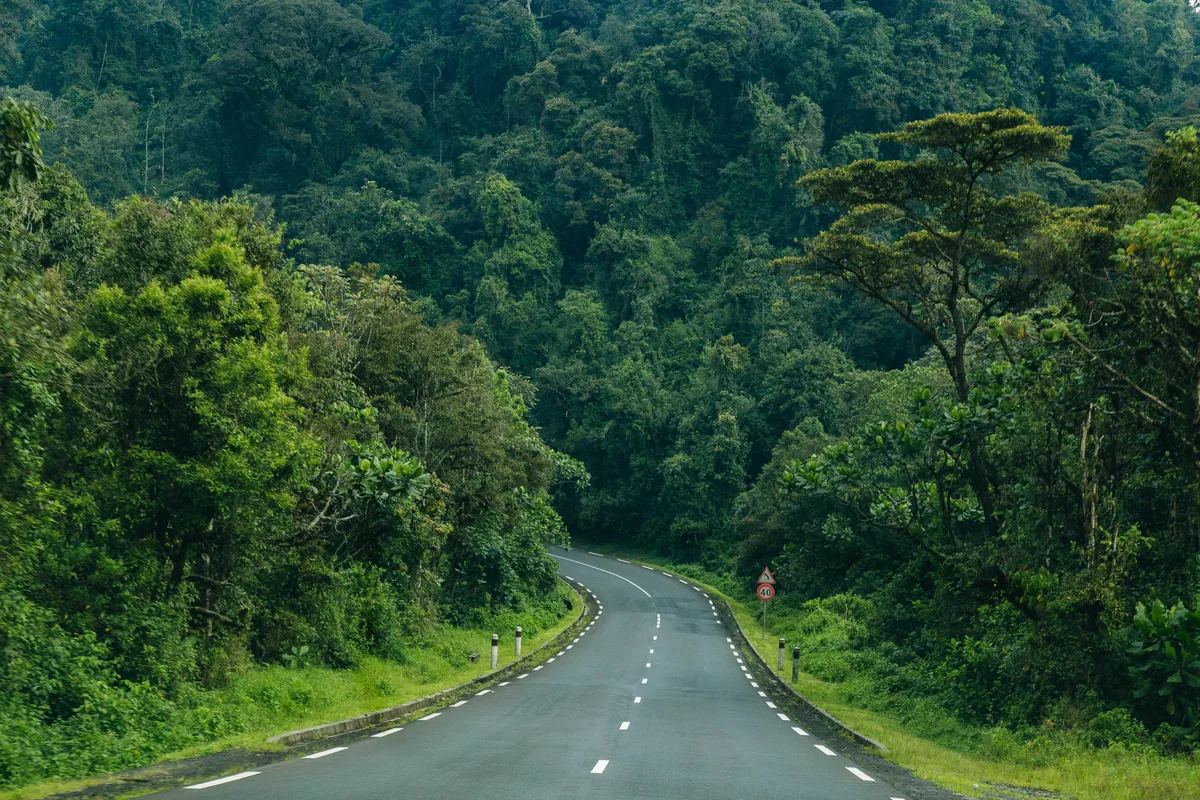
- Exceptional wildlife density means shorter game drives yield extraordinary sightings — critical for managing young children’s attention and energy on the vehicle
- The Masai Mara and Serengeti are the world’s most recognised safari destinations — children arrive with a reference point from nature documentaries, making engagement immediate
- Strong infrastructure with multiple direct and one-stop flights weekly; domestic air networks reduce long road transfers between camps significantly
- Amboseli with Kilimanjaro as a backdrop delivers one of Africa’s most dramatic settings — elephants at the foot of the continent’s highest peak is a genuinely unforgettable visual
- Zanzibar as a beach extension is straightforward to combine — calm Indian Ocean water, excellent snorkelling for all ages, and well-equipped family resorts
- Gorilla trekking in Rwanda or Uganda (from age 15) can be combined with savannah safari parks for older teenage family travellers
- Several Masai Mara lodges offer dedicated family suites with connecting rooms and a guaranteed private game drive vehicle included in the rate
Southern Africa for Families
- Chobe National Park holds Africa’s largest elephant population — boat safaris on the Chobe River are accessible from age 6 and deliver extraordinary close-range sightings without the demands of a land-based vehicle
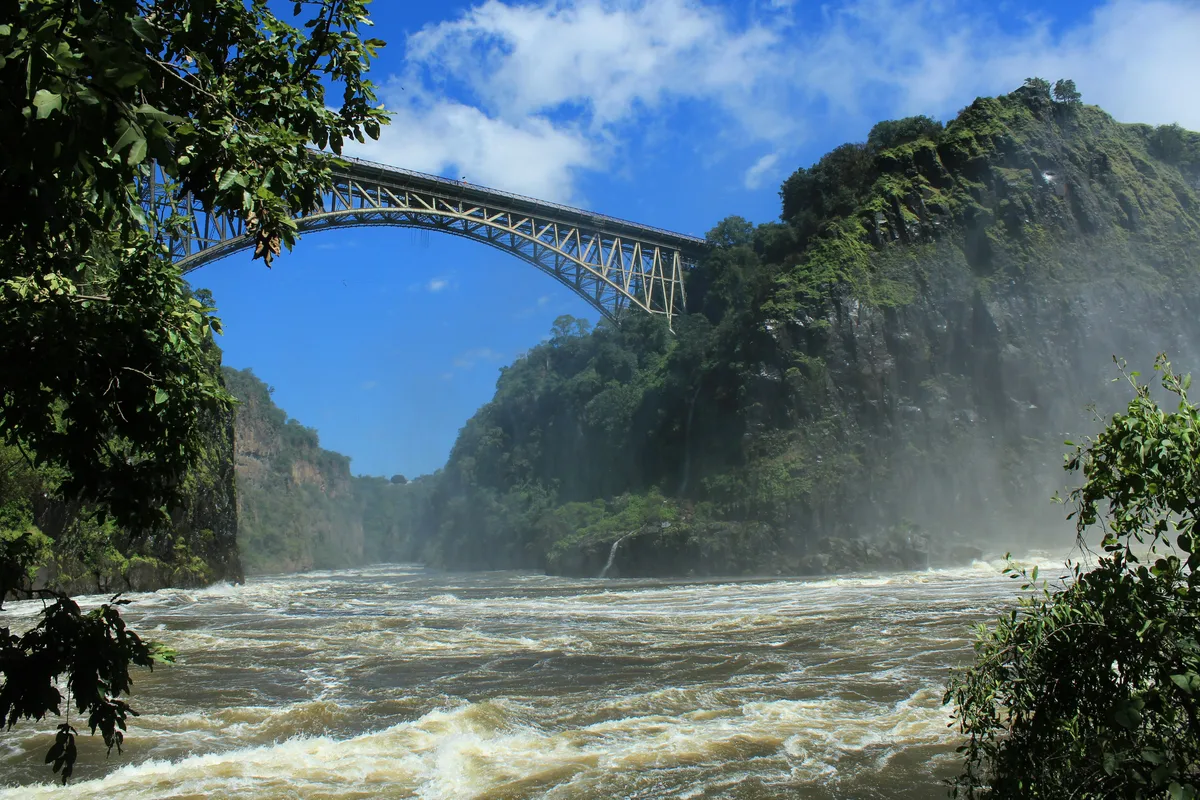
- Victoria Falls is universally compelling for all ages — the world’s largest waterfall requires no introduction or patience from children; it simply overwhelms the senses on arrival
- Okavango Delta water-based safari (mokoro from age 12) adds a dimension of adventure entirely unlike a land-based game drive and opens up a uniquely beautiful ecosystem
- South Africa’s malaria-free private game reserves — Madikwe, Waterberg, Amakhala — are ideal for families with very young children or who wish to avoid prophylactics
- Private concessions offer exclusive vehicle access — no other guests, no shared drives, guides who pace the entire day for your family group and their specific interests
- Exclusive-use lodge options are more prevalent in Southern Africa, particularly across Botswana and Zimbabwe — perfect for multi-generational groups who want their own space
- South Africa’s self-drive options through the greater Kruger ecosystem give families independence and a genuine sense of adventure at a more accessible price point
Family Packing Additions
Every item on the standard safari packing list applies to children — plus these additions specific to travelling with young people in Africa. The items that seem small — motion sickness tablets, a familiar snack, the right binoculars — are consistently the ones that make the biggest difference when you’re three hours into a game drive and everyone is tired and hungry.
Let’s Build the Right Itinerary
Every family is different. We’ll work through the ages, the interests, and the logistics to build an itinerary that works for every generation — one they’ll talk about for the rest of their lives.
More Agent Guides
Comparing Safari in East and Southern Africa
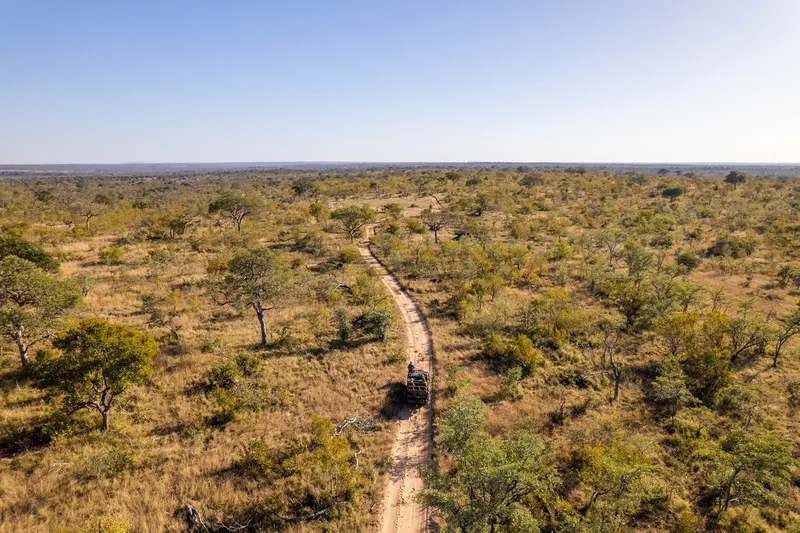
Choosing between East Africa and Southern Africa? We break down wildlife, landscapes, exclusivity, and price — and how to match your client to the right destination.
Read more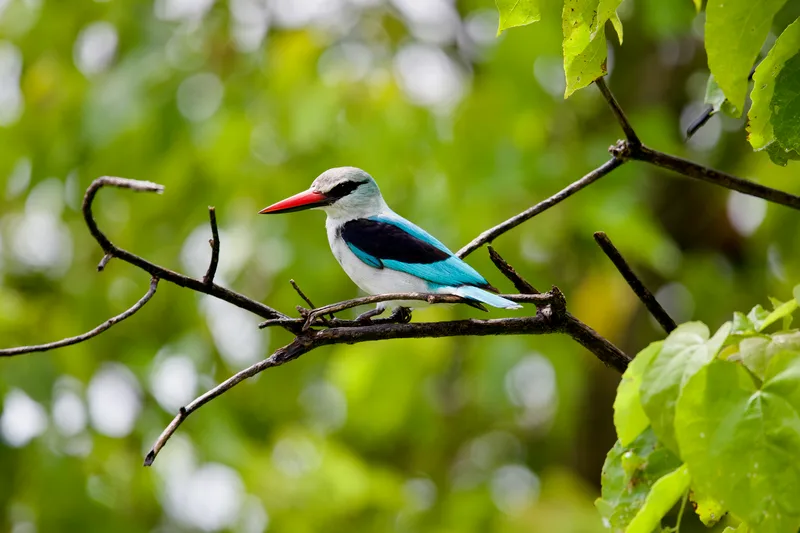
When to Go
Month-by-month seasonality for 11 regions — from the Great Migration in East Africa to gorilla trekking, Victoria Falls, Zanzibar, and the Indian Ocean islands.
Read more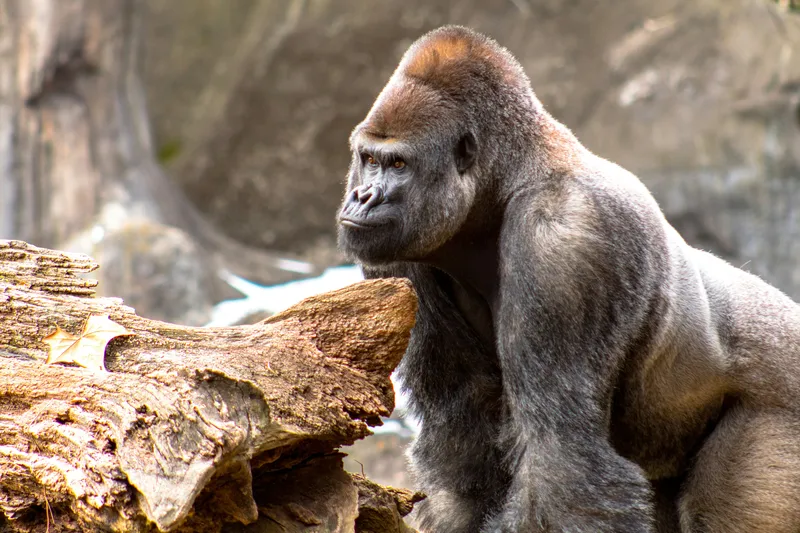
Gorilla Trekking: Rwanda, Uganda and DRC
Rwanda, Uganda, or DRC? A complete comparison of permits, trek difficulty, lodge quality, and which destination suits which traveller.
Read more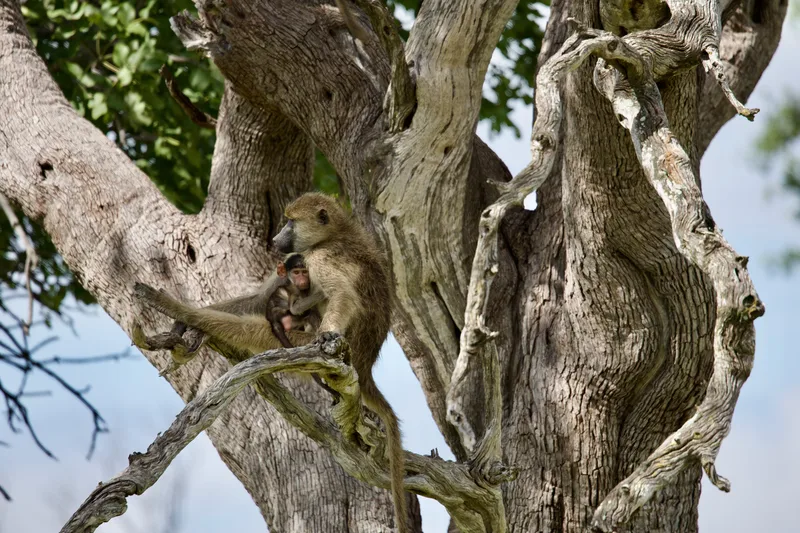
Africa Packing Lists: Safari, Gorilla Trekking & More
What to pack for safari, gorilla trekking, and coastal Africa — covering weight limits, neutral colours, and the kit that actually makes a difference.
Read more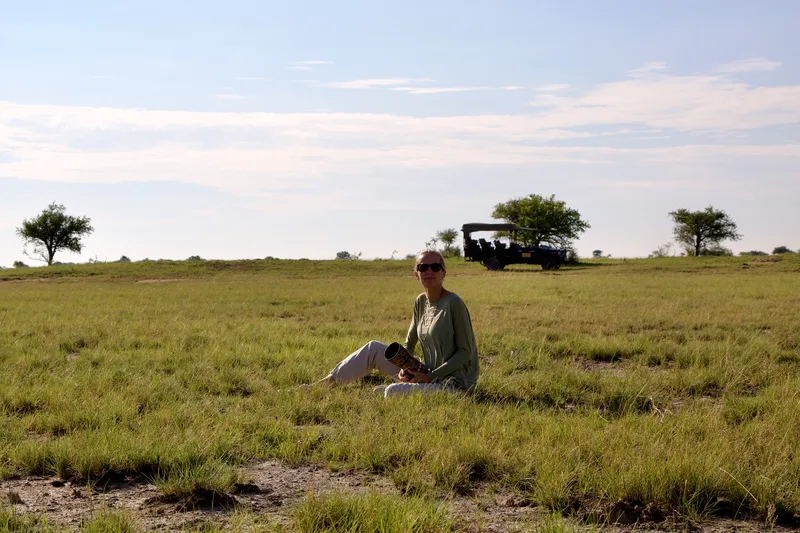
Wildlife Photography
From the exposure triangle for beginners to advanced technique and brand-specific camera settings for Canon, Nikon, Sony, and Fujifilm.
Read more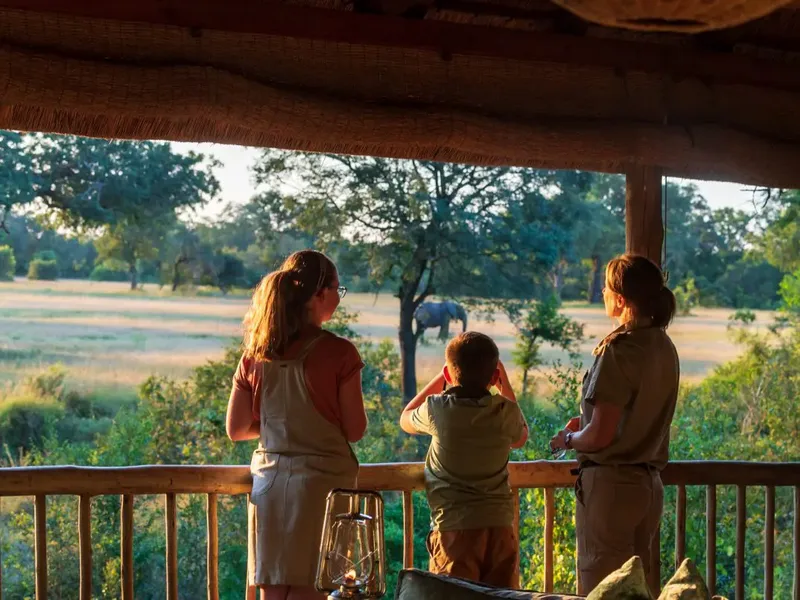
Travelling in Africa with Families
Age requirements, lodge selection, private vehicles, and how to tailor the safari experience for families travelling with children.
Read more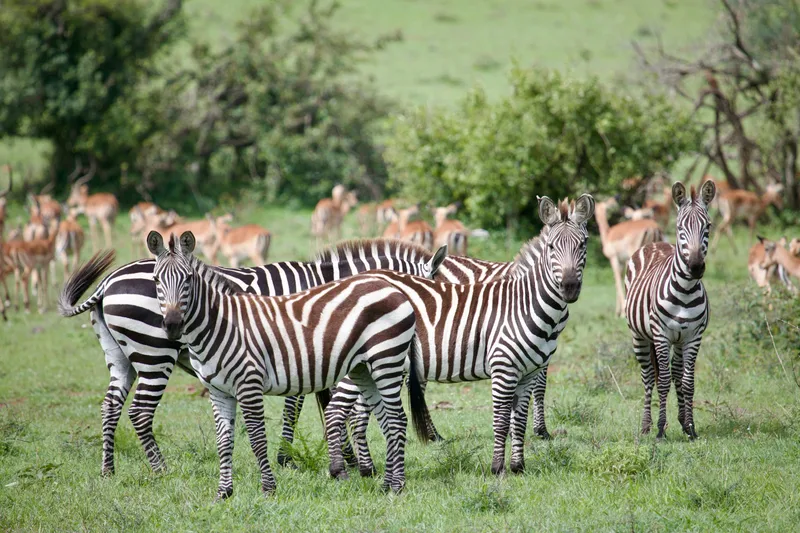
The Great Migration Explained
A year-round guide to the movement of 2 million animals across the Serengeti and Masai Mara — where to be, when, and what your clients can expect.
Read more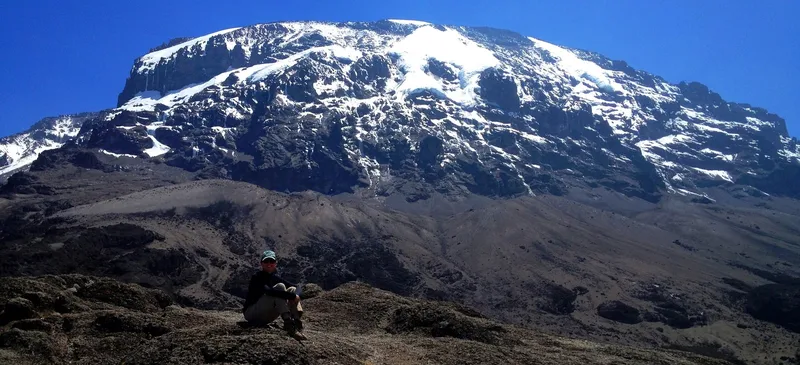
Climbing Kilimanjaro
Routes, duration, altitude, and preparation — a practical guide to planning a Kilimanjaro climb for your clients.
Read more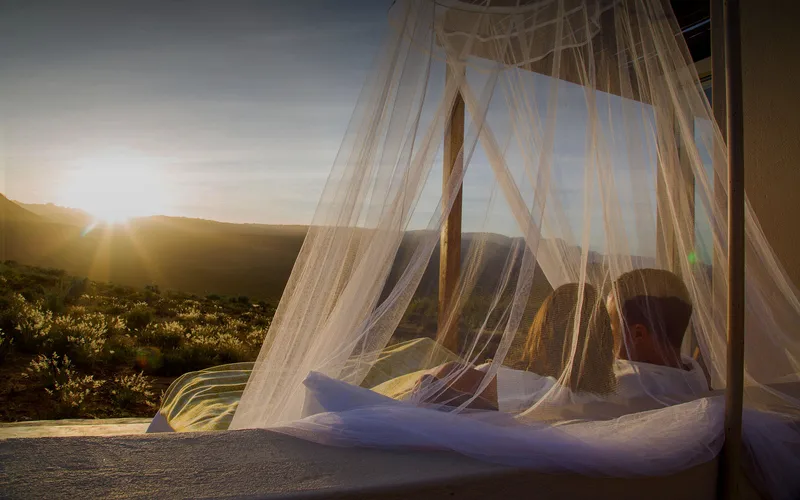
Honeymoons in Africa
Private safari camps, barefoot beach escapes, and extraordinary landscapes — a guide to planning bespoke African honeymoons for your clients.
Read more
Southern Africa: Know Before You Go
The pre-trip essentials for Southern Africa — visas and passports, departure taxes, yellow fever and malaria, money and cards, tipping, and bush-flight luggage limits. Fact-checked and dated.
Read more
East Africa: Know Before You Go
The pre-trip essentials for Kenya, Tanzania, Uganda and Rwanda — eTA and visas, the East Africa Tourist Visa, yellow fever certificates, malaria, money and cards, tipping, gorilla permits, and 15kg bush-flight limits. Fact-checked and dated.
Read more