Tanzania
Climbing Kilimanjaro
Africa's Highest Peak. One of the World's Great Climbs.
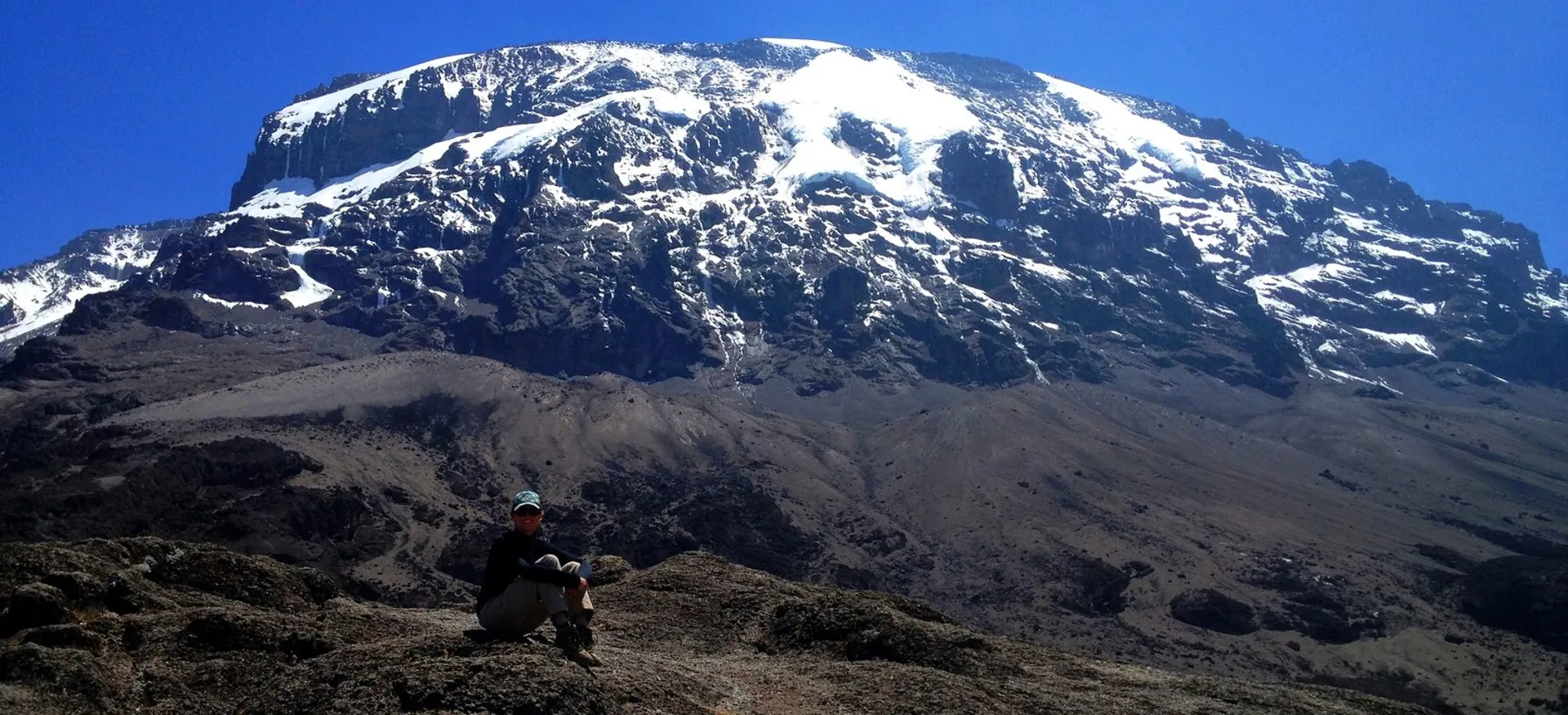
At 5,895 metres, Mount Kilimanjaro is the highest freestanding mountain on earth and one of the Seven Summits. Unlike most peaks of this altitude, it requires no technical mountaineering skill — but it demands acclimatisation, preparation, and respect for altitude. Each year around 50,000 people attempt the summit; overall success rates sit at approximately 65–70%, with longer routes significantly outperforming shorter ones. This guide covers everything your clients need to know before they decide to go.
Choose Your Route
Route selection is the most consequential decision in a Kilimanjaro climb. Longer routes with more gradual altitude gain have meaningfully higher success rates. Unless a client has specific time constraints, we always recommend Lemosho or the Northern Circuit over Marangu.
Machame Route
The Machame is the most popular route on Kilimanjaro and, at 6–7 days, one of the best for acclimatisation among the mid-length options. It approaches from the southwest, traversing five distinct climate zones and including the spectacular Barranco Wall — a steep, dramatic scramble that breaks up the rhythm of the climb and delivers extraordinary views. The 'high-low-high' acclimatisation profile (camping at Barranco below Lava Tower) is a genuine physiological advantage. Expect to share trails with other groups, particularly at Barafu high camp.
Lemosho Route
Lemosho is our strongest general recommendation for most clients. The western approach begins in remote rainforest with almost no other trekkers, traverses the beautiful Shira Plateau with its extraordinary views of the main summit, and crosses the famous Lava Tower at 4,630m before descending to camp — an acclimatisation profile that genuinely works. After merging with the Machame route near Barranco, the final days offer the same dramatic terrain but with superior acclimatisation from the longer approach. At 7–8 days, it hits the sweet spot of preparation and duration.
Marangu Route
Marangu is the only route where clients sleep in huts rather than tents, making it more comfortable in terms of sleeping conditions. This, combined with its relative accessibility, makes it the most popular route — and the most crowded. The 5-day version has the lowest summit success rate of any established route, largely because the acclimatisation profile is too rapid for most people. Adding an extra day at Horombo (3,720m) to a 6-day version improves success rates significantly. Best suited to clients who have climbed to altitude before and know how their body responds.
Rongai Route
Rongai approaches from the north, near the Kenyan border, and is the only route that ascends the mountain's drier northern slopes. This makes it a good option during the long rains (April–May) when the wetter southern routes can be genuinely unpleasant. The northern approach sees far fewer trekkers than any of the southern routes, and the landscape is notably different — more open, more arid, with views across the Amboseli plains toward Kenya. Summit descent is via the Marangu route. An underappreciated option that suits clients who prioritise solitude and drier conditions.
Northern Circuit
The Northern Circuit is Kilimanjaro's longest and most complete route, traversing nearly the entire circumference of the mountain before the final summit push. At 8–9 days, it provides the most gradual acclimatisation profile of any route, resulting in the highest summit success rates — around 90% for well-prepared trekkers. The trail explores remote northern slopes that virtually no other route touches, with views across the Amboseli plains and into Kenya. The additional days and camp nights make it more expensive, but the investment in acclimatisation pays dividends on summit night. Strongly recommended for serious trekkers and photographers.
Rainforest
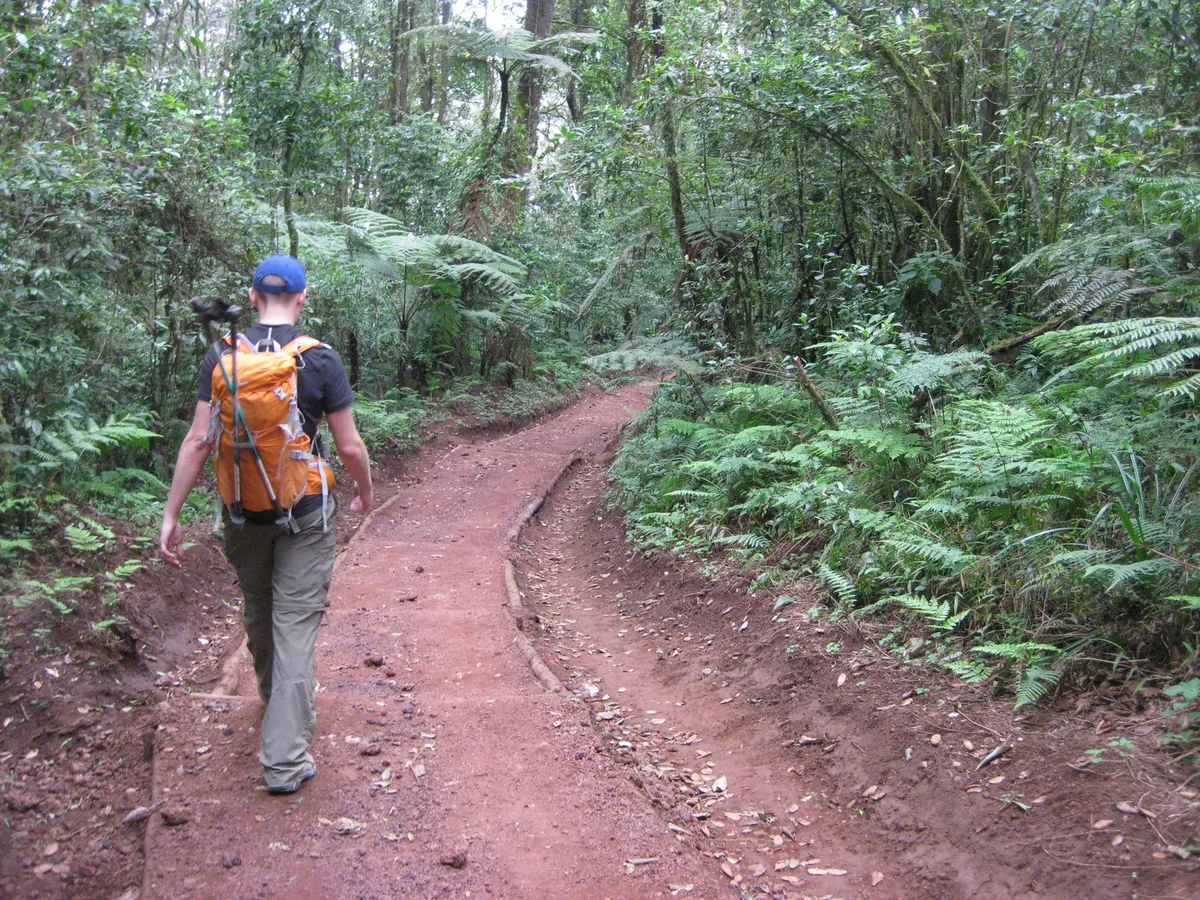
The first day is hot, humid and green. The trail climbs through montane forest thick with tree ferns and hanging moss, and the ground stays wet underfoot for most of it. Clients who have packed only for a cold mountain are always surprised here.
Rain is likely on any afternoon at this altitude. A pack cover earns its place on day one in a way the down jacket will not for another three.
Moorland and the Barranco Wall
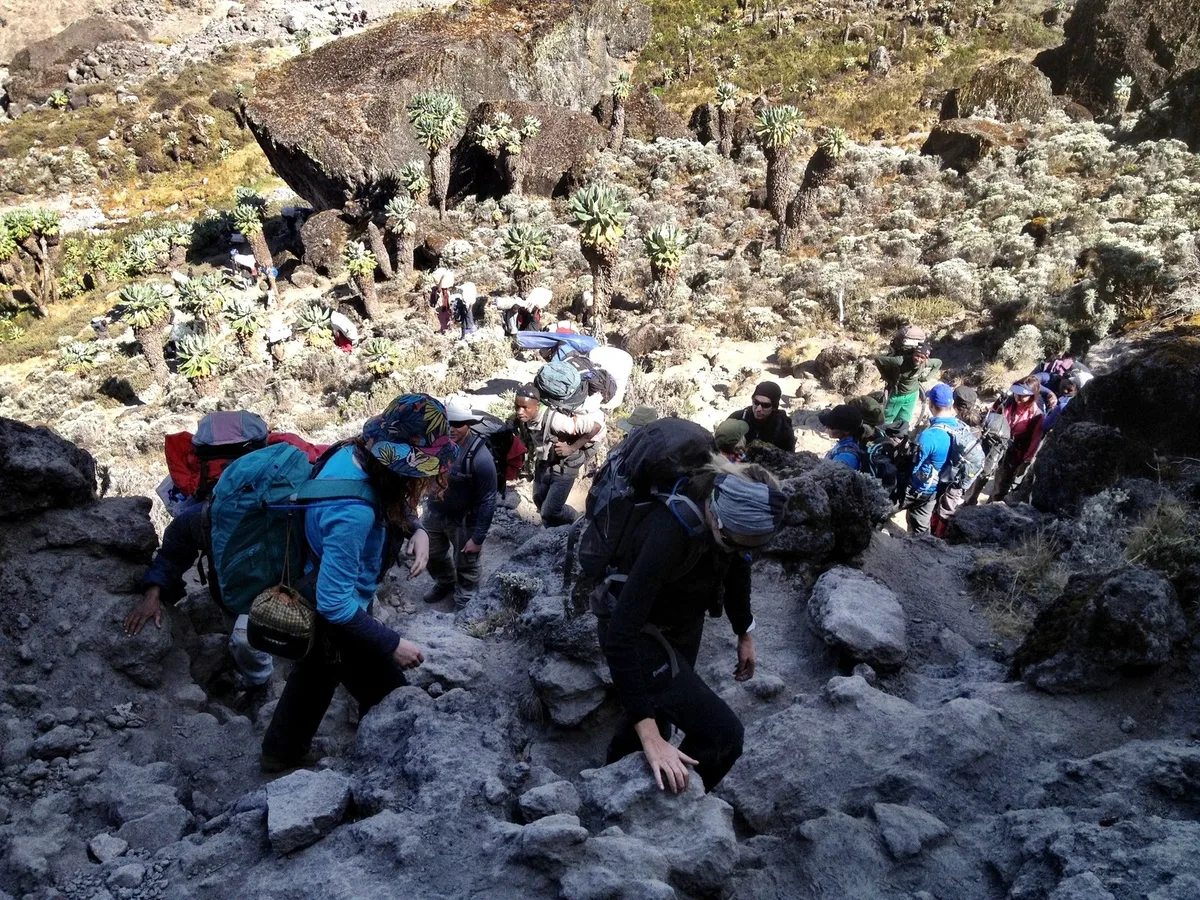
Above the forest the vegetation thins to heather and giant groundsel, and the mountain finally comes into view. This is where most of the acclimatisation happens, and where the walk-high-sleep-low days on a longer route do their work.
On the Machame and Lemosho routes it is also where the Barranco Wall sits: a scramble that looks alarming from the camp below and turns out to be a walk with hands. No technical skill is needed, but it is a genuine bottleneck at peak season, and clients who dislike exposure should hear about it before they book rather than the night before.
Alpine Desert and the Summit Night
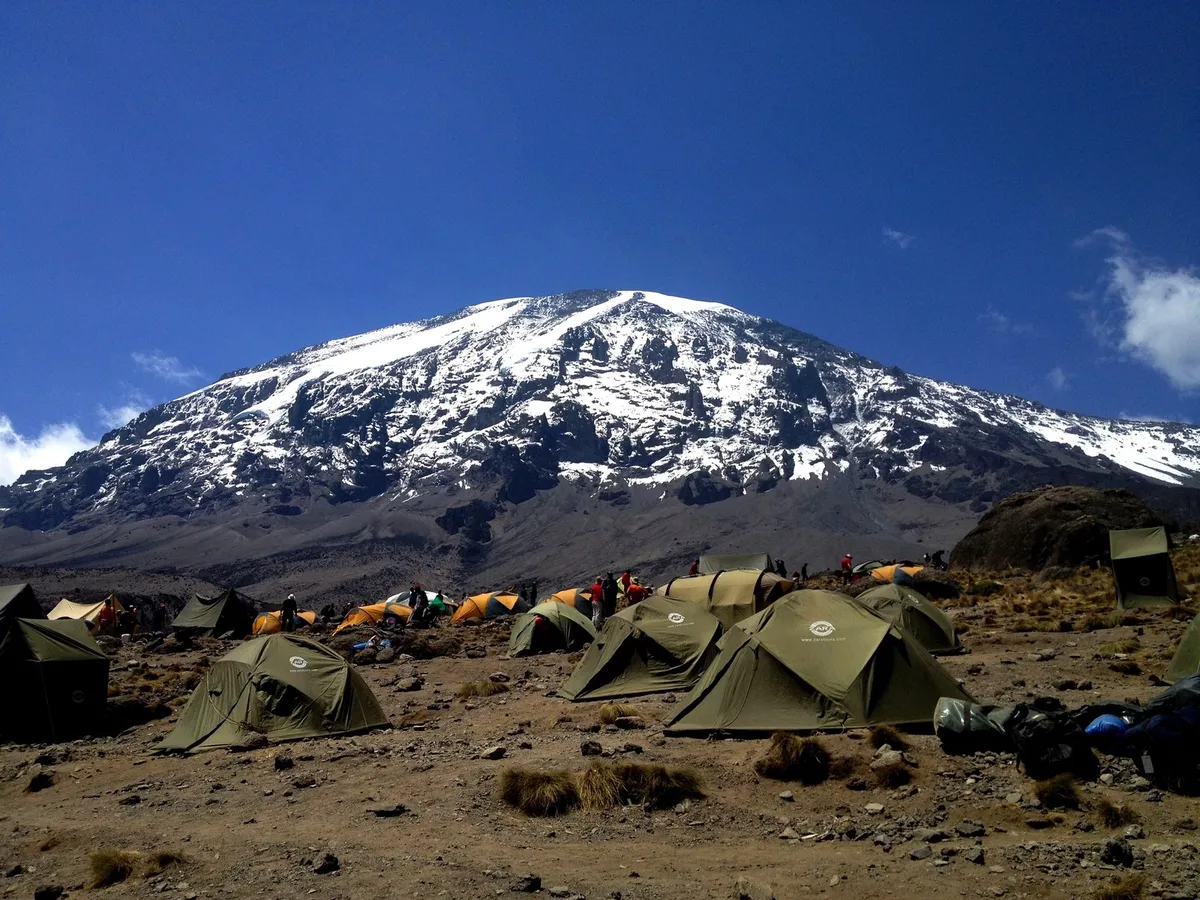
Above 4,000 metres the mountain turns to rock and dust. The last camp sits in the open with Kibo directly overhead, and there is nothing between the tents and the wind.
Summit night starts around midnight so the group reaches the crater rim near dawn. It is the coldest and hardest part of the climb by a wide margin, and it is where altitude decides the outcome. The extra days on a longer route are bought precisely for this night.
What to Bring
Kilimanjaro passes through five distinct climate zones over its ascent — from equatorial rainforest at the base to arctic tundra at the summit. The layering system must work across a 40-degree temperature range. Every item on this list earns its weight. Nothing on this list is optional.
What Your Clients Need to Know
Four areas that require careful client briefing before any Kilimanjaro climb. Clients who arrive prepared for these realities have far better experiences than those who do not.
Acute Mountain Sickness (AMS) is the primary risk on Kilimanjaro. Symptoms include headache, nausea, fatigue, and loss of appetite. Most climbers experience mild AMS above 3,500m — this is normal and not a reason to descend. Serious AMS, HACE (brain), or HAPE (lungs) requires immediate descent. The summit night begins around midnight to ensure a sunrise arrival; clients should understand this will be the hardest 6–8 hours of the climb. Pole pole — slowly slowly — is the golden rule. Diamox (acetazolamide) can significantly reduce AMS symptoms and should be discussed with a doctor before the trip.
Kilimanjaro does not require technical climbing skill — but it demands cardiovascular fitness and mental resilience. The recommended preparation is 3–4 months of regular hiking on uneven terrain, ideally at elevation. Stair climbing, running, and cycling all contribute to base fitness. The key determinant of summit success is acclimatisation, not raw fitness — which is why longer routes (Lemosho, Northern Circuit) have significantly better success rates than shorter ones (Marangu). Clients should be realistic with themselves: those who are not regularly active should allow more time or consider a longer route.
Kilimanjaro combines extremely well with an East Africa safari — particularly in Tanzania (Serengeti, Ngorongoro) or Kenya (Amboseli, Masai Mara). The standard combination is to climb first and safari second, allowing the body to recover in luxury after the effort of the mountain. Amboseli National Park, where Kilimanjaro dominates the skyline, is an especially meaningful addition for climbers who have just come down from the summit — seeing the mountain from ground level with elephants in the foreground is a genuinely powerful experience.
Porters are the backbone of every Kilimanjaro climb — without them, nothing moves. A standard group of 4–6 climbers will be supported by 15–25 porters, guides, and assistant guides. When booking, ensure your operator is a member of the Kilimanjaro Porters Assistance Project (KPAP) or adheres to its porter welfare guidelines: porters should be paid a fair wage (minimum USD 15/day), provided appropriate equipment, and not overloaded. Choosing a cheap operator frequently means porter welfare is compromised. This is something informed clients ask about — and should.
When to Go
Kilimanjaro can be climbed year-round — but conditions vary significantly by month. The two dry seasons deliver the clearest skies, best visibility, and most stable weather on the upper mountain.
Let's Build the Right Itinerary
We work with Kilimanjaro's best operators and can recommend the right route, the right duration, and the right safari combination for your clients. Let's talk through the options.
More Agent Guides
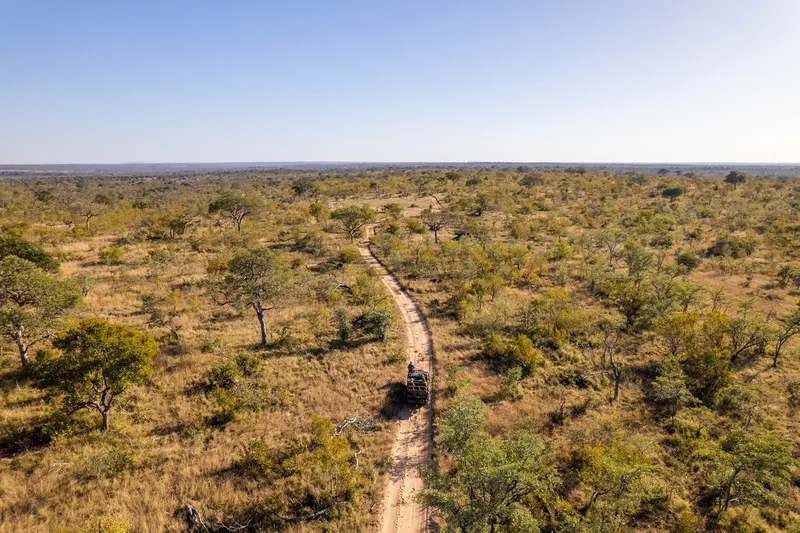
Comparing Safari in East and Southern Africa
Choosing between East Africa and Southern Africa? We break down wildlife, landscapes, exclusivity, and price — and how to match your client to the right destination.
Read more
When to Go
Month-by-month seasonality for 11 regions — from the Great Migration in East Africa to gorilla trekking, Victoria Falls, Zanzibar, and the Indian Ocean islands.
Read more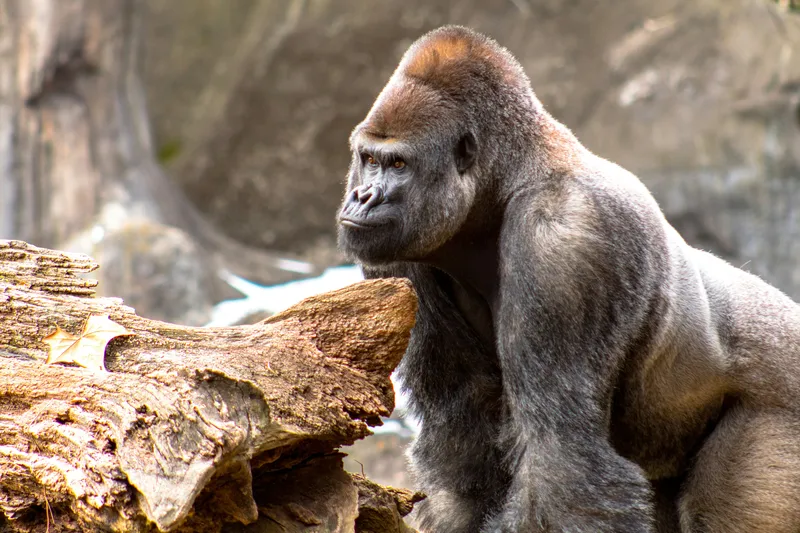
Gorilla Trekking: Rwanda, Uganda and DRC
Rwanda, Uganda, or DRC? A complete comparison of permits, trek difficulty, lodge quality, and which destination suits which traveller.
Read more
Africa Packing Lists: Safari, Gorilla Trekking & More
What to pack for safari, gorilla trekking, and coastal Africa — covering weight limits, neutral colours, and the kit that actually makes a difference.
Read more
Wildlife Photography
From the exposure triangle for beginners to advanced technique and brand-specific camera settings for Canon, Nikon, Sony, and Fujifilm.
Read more
Travelling in Africa with Families
Age requirements, lodge selection, private vehicles, and how to tailor the safari experience for families travelling with children.
Read more
The Great Migration Explained
A year-round guide to the movement of 2 million animals across the Serengeti and Masai Mara — where to be, when, and what your clients can expect.
Read more
Climbing Kilimanjaro
Routes, duration, altitude, and preparation — a practical guide to planning a Kilimanjaro climb for your clients.
Read more
Honeymoons in Africa
Private safari camps, barefoot beach escapes, and extraordinary landscapes — a guide to planning bespoke African honeymoons for your clients.
Read more
Southern Africa: Know Before You Go
The pre-trip essentials for Southern Africa — visas and passports, departure taxes, yellow fever and malaria, money and cards, tipping, and bush-flight luggage limits. Fact-checked and dated.
Read more
East Africa: Know Before You Go
The pre-trip essentials for Kenya, Tanzania, Uganda and Rwanda — eTA and visas, the East Africa Tourist Visa, yellow fever certificates, malaria, money and cards, tipping, gorilla permits, and 15kg bush-flight limits. Fact-checked and dated.
Read more