East Africa
The Great Migration
Two Million Animals. One Continuous Journey.
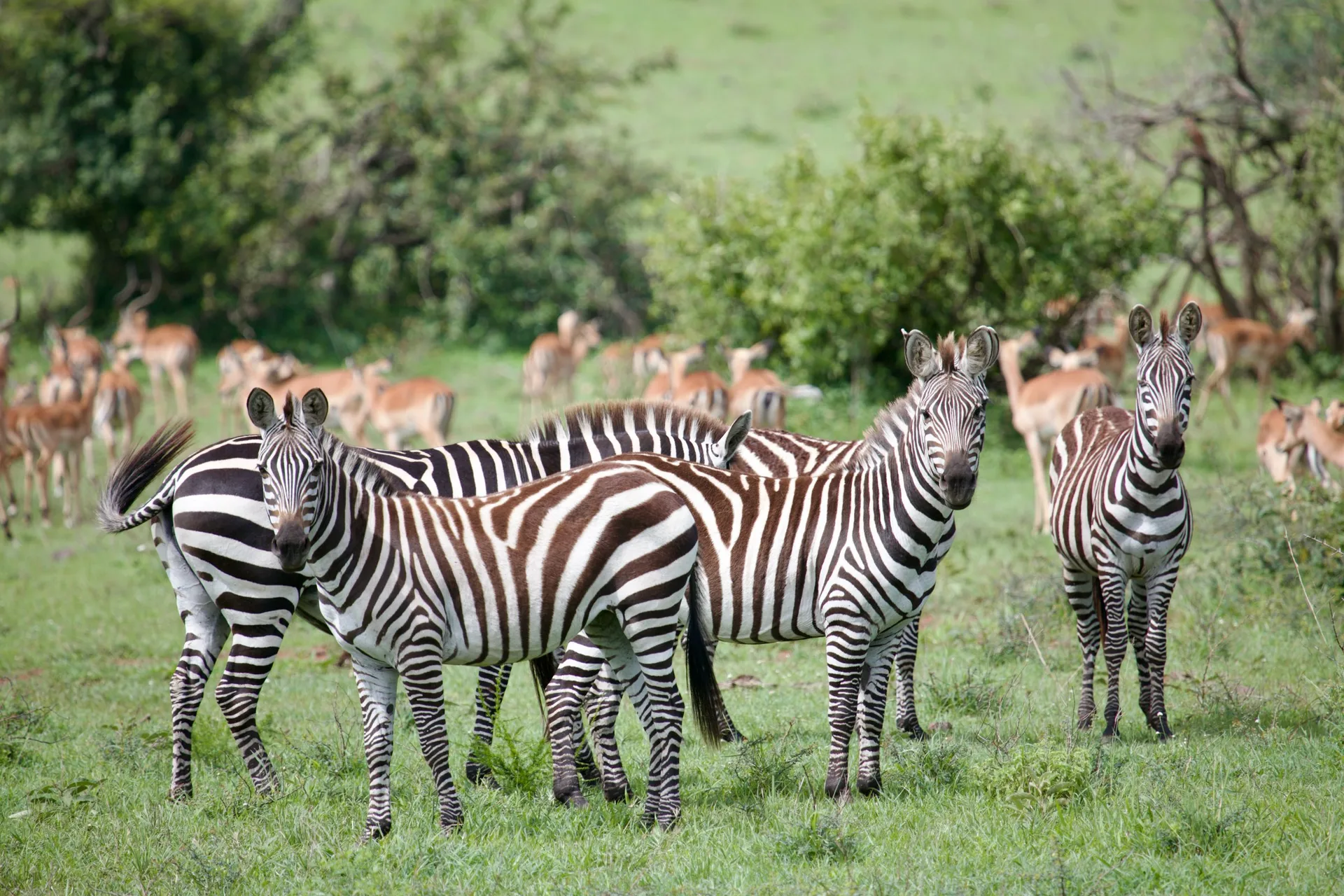
The Great Wildebeest Migration is not an event — it is a permanent, continuous cycle of movement driven by rainfall, grass, and survival. Approximately 1.5 million wildebeest, 400,000 zebra, and 200,000 Thomson’s gazelle move in an enormous clockwise loop between Tanzania’s Serengeti ecosystem and Kenya’s Masai Mara throughout the year. Understanding the annual circuit — and positioning your clients accordingly — is the foundation of a great migration itinerary.
The Annual Circuit
The migration’s annual loop covers roughly 1,800km. Each quarter brings a different landscape, a different wildlife spectacle, and a different positioning opportunity for your clients. No one season is better than another — they are all extraordinary in their own way.
Southern Serengeti
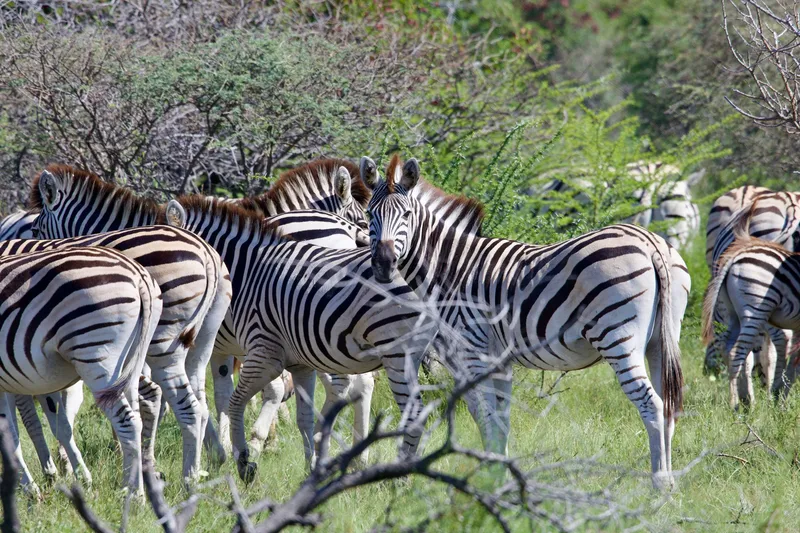
Ndutu Plains · TanzaniaCalving season is arguably the most dramatic wildlife spectacle on the continent — and the most underrated migration period. Over 8,000 wildebeest calves are born each day at peak, producing an almost incomprehensible concentration of newborn prey. Predators respond accordingly: cheetah hunt in the open, lion prides work in coordinated groups through the calving herds, and leopard stalk through the acacia woodland edges. The landscape is short, open, and golden — exceptional for photography — and visitor numbers are notably lower than the river crossing peak.
Central Serengeti
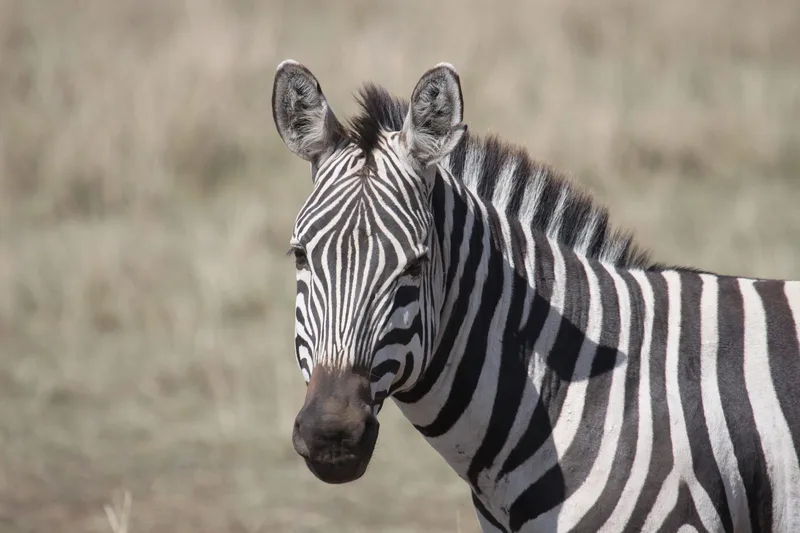
Seronera Valley · TanzaniaApril and May bring the long rains, and with them the most visually spectacular version of the Serengeti — deep green plains extending to the horizon, wildflowers, and the extraordinary spectacle of the herds beginning their inexorable move northward. Visitor numbers drop significantly as many travellers avoid the rainy season, meaning those who do visit experience an almost private Serengeti. The grasses are tall and rich, predators are satiated and relaxed, and afternoon light through storm clouds produces extraordinary photographic conditions.
Northern Serengeti & Masai Mara
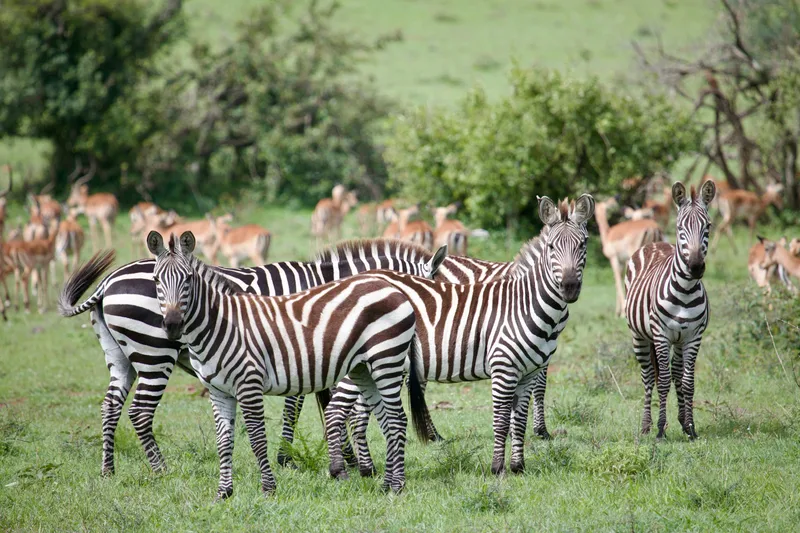
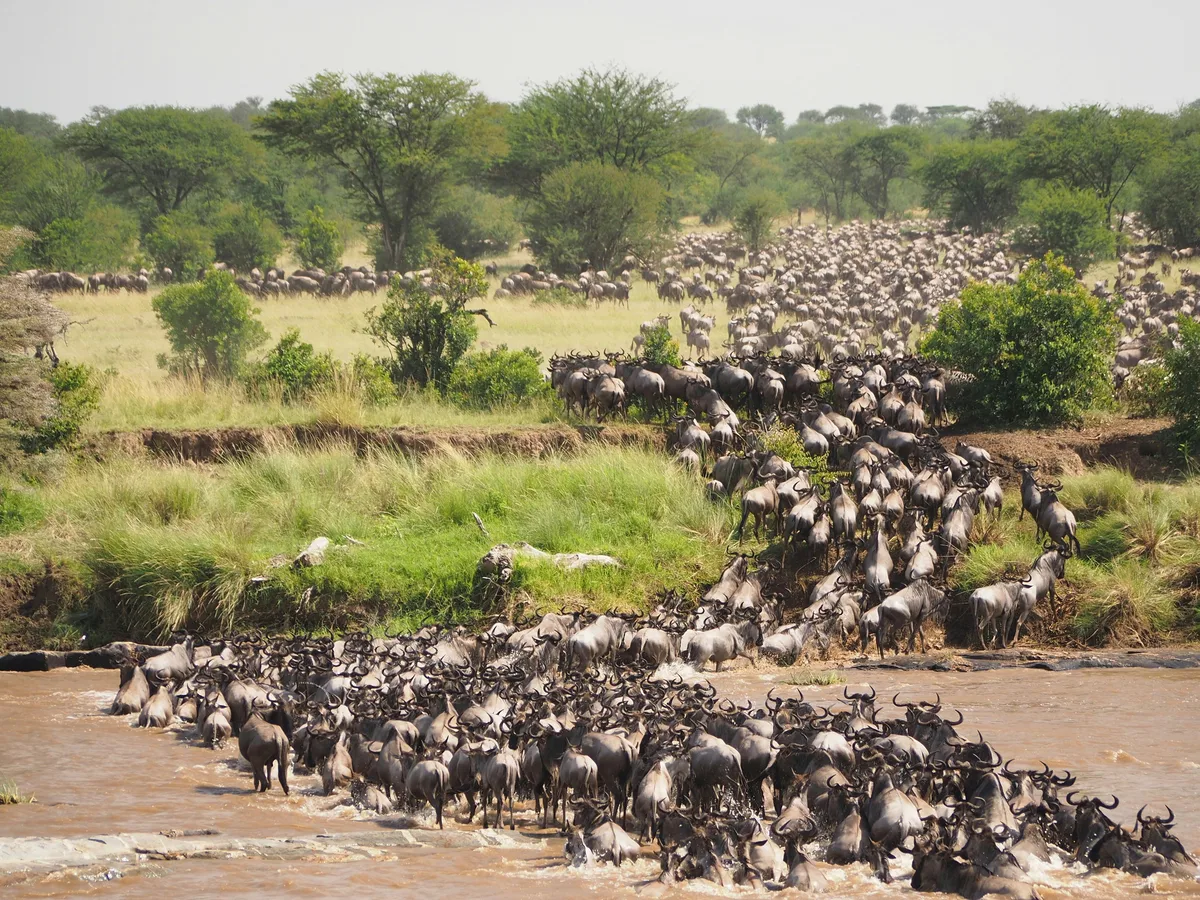
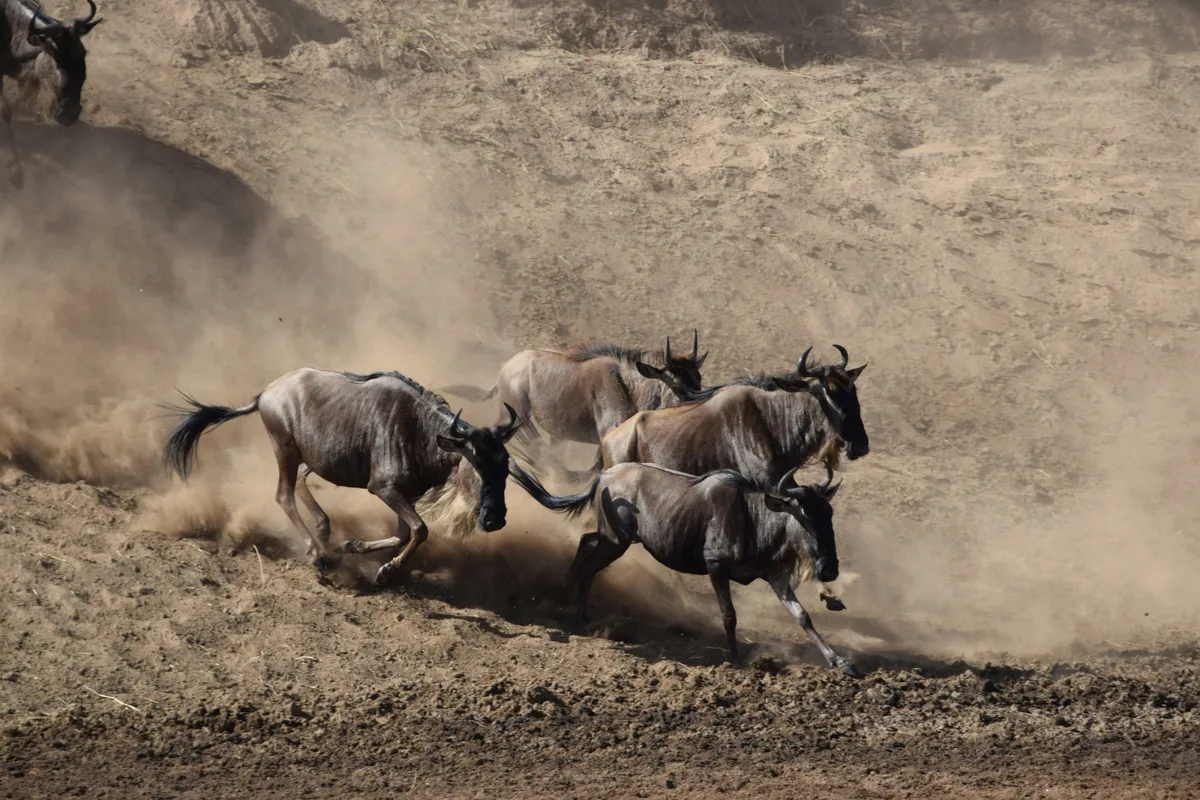
Kogatende · Kenya borderThe Mara River crossings are the single most sought-after wildlife spectacle on the planet — hundreds of thousands of wildebeest throwing themselves into crocodile-filled water in explosive, desperate surges. The crossing zones are unpredictable by nature; animals may circle the bank for hours before committing, or a crossing may begin with almost no warning. The chaos, noise, and raw survival drama of a major crossing is unlike anything else in the natural world. This is peak season — visitor numbers and rates are at their highest, and camps book out a year in advance.
Short Migration South
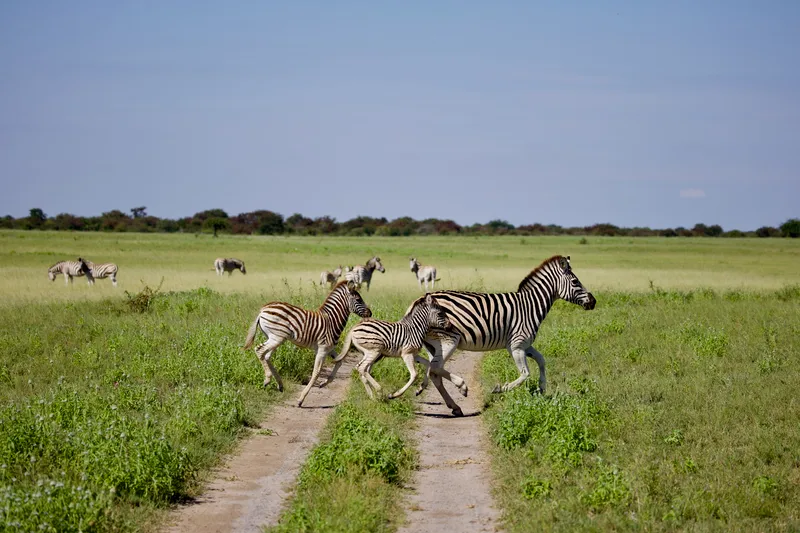
Central–South SerengetiNovember marks the return. The short rains bring fresh, nutritious green grass back to the south, and the herds respond to the scent of new grazing by beginning the southward journey back through the central Serengeti toward Ndutu. This is a quiet, underappreciated month — visitor numbers are low, accommodation rates are favourable, and the herds can be seen in transit through the central plains in remarkable concentration. It’s also a visually spectacular time: the short rains produce dramatic storm light, brilliant rainbows, and the kind of atmospheric conditions that produce extraordinary photographs.
The River Crossings
The crossings happen at two main locations — the northern Serengeti in Tanzania and the Masai Mara in Kenya. Each side has a distinct character, a different infrastructure, and different trade-offs. Most multi-week itineraries incorporate both sides.
Northern Serengeti
- Generally less crowded than the Masai Mara side — the northern Serengeti corridor attracts fewer visitors despite offering equivalent or better crossing action
- The first crossings of the season typically happen on the Tanzania side as herds approach the Mara River from the south
- Some of the best-positioned camps in the entire ecosystem are here — tented camps set directly overlooking the river in prime crossing zones
- Tanzania Serengeti National Park fees apply; the park infrastructure is excellent and well-maintained
- The Lamai Wedge between two branches of the Mara River creates an extraordinary concentration of animals in a relatively small area during peak movement
- Combining north Serengeti with central Serengeti camps on the same itinerary allows clients to follow the herds as they move
- The resident wildlife independent of the migration — large prides of lion, cheetah on the open plains — ensures exceptional game viewing on non-crossing days
Masai Mara
- The most accessible crossing destination from Nairobi — a short domestic flight or 5-hour drive puts clients directly in the crossing zone
- The classic setting for migration photography — the Mara River against the open savannah is one of the most recognised landscapes in African wildlife
- The Mara Triangle (western section, managed by Mara Conservancy) has lower vehicle numbers and better-maintained road infrastructure than the reserve side
- Private conservancies bordering the Mara — Olare Motorogi, Naboisho, Ol Kinyei — offer exclusive-use vehicles, off-road driving, and far fewer visitors at crossings near their boundaries
- Kenya’s resident wildlife is extraordinary independent of the migration — the Mara has one of the highest big cat densities in Africa year-round
- The combination of Masai cultural experiences, hot air balloon safaris over the plains, and crossing drama makes the Mara one of the most complete safari destinations on the continent
- Peak season July–October brings premium demand — the best camps and conservancy lodges book out 12 months or more in advance
On the Day
Crossing days require patience, preparation, and an understanding of how the experience works. Brief your clients well before departure — clients who arrive understanding what to expect have a profoundly better experience than those who arrive expecting it to perform on demand. The wait is not the obstacle; it is part of the drama.
What You Need to Know
The migration is the single most-requested Africa experience we handle. These are the four things every travel agent needs to understand before building a migration itinerary.
The Mara River crossings are the most-requested and least-predictable element of any migration itinerary. Crossings are entirely driven by the animals — there is no schedule, no guaranteed timing, and no way to promise a crossing will happen on a specific day. Clients should stay a minimum of three nights at the crossing zone to give a reasonable chance of witnessing one. Brief them thoroughly before departure: the waiting is part of the experience.
January to March in the southern Serengeti and Ndutu area is one of the most extraordinary wildlife periods on the continent. Over 8,000 calves are born each day at peak calving, attracting exceptional concentrations of predators — lions, cheetah, and leopard are all highly active. This is also shoulder season with lower nightly rates and fewer visitors than July–October. It is genuinely one of our strongest recommendations for clients who have already done the crossings.
The migration is a continuous loop — the herds are always moving. Positioning a client at the right place at the right time requires understanding where the front of the movement is likely to be for their travel dates. We track migration movement closely and will advise on specific camp recommendations based on the current season. In general: December–March points to Ndutu; April–June to central Serengeti; July–October to the northern corridor and Masai Mara.
Any agent who guarantees a river crossing is doing their client a disservice. What you can confidently promise is this: the Serengeti ecosystem is extraordinary at every time of year, and any week spent in quality accommodation here — regardless of whether a crossing occurs — will be among the most memorable wildlife experiences your client has ever had. The migration is a context for an exceptional safari, not the only thing worth seeing.
Let’s Position Your Client Correctly
We track migration movement closely and can recommend the right camps, the right timing, and the right positioning for your clients’ travel dates. Let’s talk.
More Agent Guides
Comparing Safari in East and Southern Africa
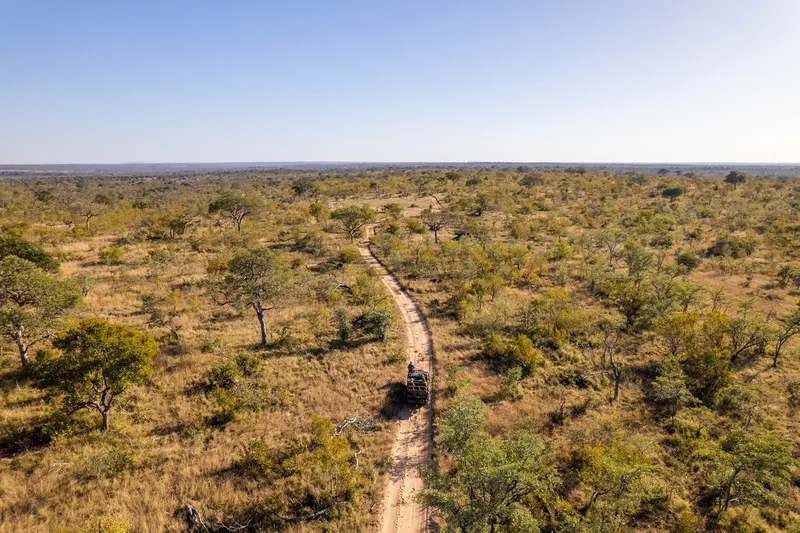
Choosing between East Africa and Southern Africa? We break down wildlife, landscapes, exclusivity, and price — and how to match your client to the right destination.
Read more
When to Go
Month-by-month seasonality for 11 regions — from the Great Migration in East Africa to gorilla trekking, Victoria Falls, Zanzibar, and the Indian Ocean islands.
Read more
Gorilla Trekking: Rwanda, Uganda and DRC
Rwanda, Uganda, or DRC? A complete comparison of permits, trek difficulty, lodge quality, and which destination suits which traveller.
Read more
Africa Packing Lists: Safari, Gorilla Trekking & More
What to pack for safari, gorilla trekking, and coastal Africa — covering weight limits, neutral colours, and the kit that actually makes a difference.
Read more
Wildlife Photography
From the exposure triangle for beginners to advanced technique and brand-specific camera settings for Canon, Nikon, Sony, and Fujifilm.
Read more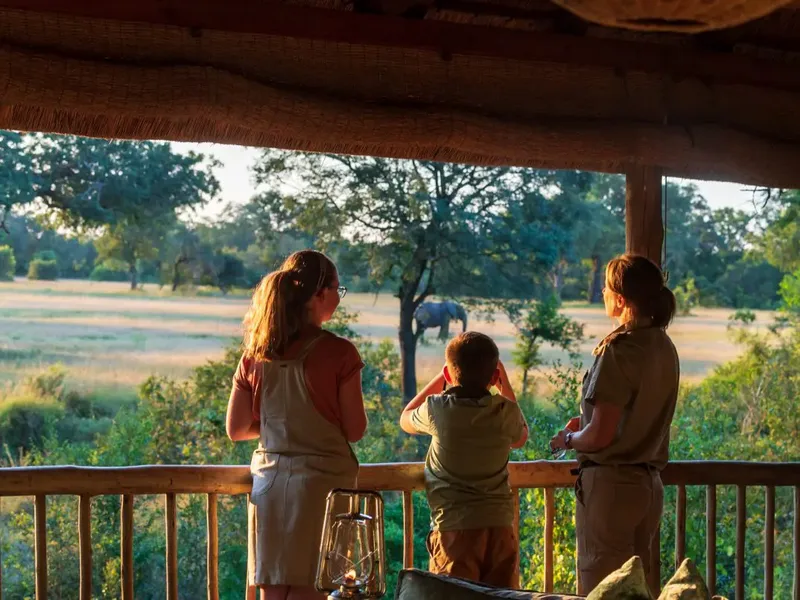
Travelling in Africa with Families
Age requirements, lodge selection, private vehicles, and how to tailor the safari experience for families travelling with children.
Read moreThe Great Migration Explained
A year-round guide to the movement of 2 million animals across the Serengeti and Masai Mara — where to be, when, and what your clients can expect.
Read more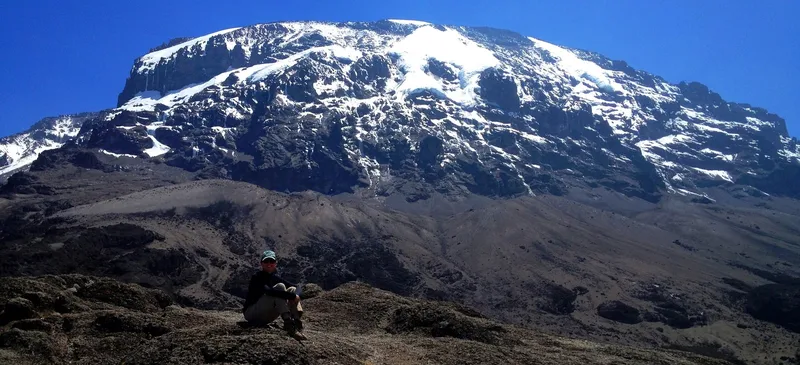
Climbing Kilimanjaro
Routes, duration, altitude, and preparation — a practical guide to planning a Kilimanjaro climb for your clients.
Read more
Honeymoons in Africa
Private safari camps, barefoot beach escapes, and extraordinary landscapes — a guide to planning bespoke African honeymoons for your clients.
Read moreSouthern Africa: Know Before You Go
The pre-trip essentials for Southern Africa — visas and passports, departure taxes, yellow fever and malaria, money and cards, tipping, and bush-flight luggage limits. Fact-checked and dated.
Read more
East Africa: Know Before You Go
The pre-trip essentials for Kenya, Tanzania, Uganda and Rwanda — eTA and visas, the East Africa Tourist Visa, yellow fever certificates, malaria, money and cards, tipping, gorilla permits, and 15kg bush-flight limits. Fact-checked and dated.
Read more