Practical Guide
East Africa Know Before You Go
The Pre-Trip Essentials
East Africa is the classic safari — the Great Migration, the Ngorongoro Crater, mountain gorillas and the Indian Ocean coast. It is also detail-heavy to sell: entry rules, yellow fever certificates, money and strict 15kg bush-flight limits all vary country by country and change often. This guide pulls the practical pre-departure information into one place, fact-checked and dated so you can share it with confidence.
Verified current as of July 2026. Visa mechanisms, fees, health rules and currency arrangements across East Africa change frequently — Kenya's eTA, Tanzania's 2025 currency rules and Zanzibar's mandatory insurance are all recent. Always reconfirm against official sources close to travel, and treat fees as indicative.
Passports & Visas
The matrix below is for Australian passport holders on a tourist visit. Requirements for US, UK and Canadian passport holders are broadly similar, with the key differences noted underneath. When in doubt, the destination's official e-visa portal or nearest embassy is the authority.
Verified July 2026
For trips combining more than one country, the East Africa Tourist Visa (EATV) — US$100, valid 90 days — covers Kenya, Uganda and Rwanda with multiple entries between them. Tanzania is not included. You must first enter through the country that issued it, and as of July 2026 it is issued through Rwanda (Irembo) or Uganda — Kenya's own portal still lists it as "coming soon", so a Kenya-only entry needs the separate Kenya eTA. Reconfirm the issuing route close to travel.
Since 30 July 2026, every non-Kenyan visitor staying under 12 months must hold travel health insurance meeting five prescribed benefit limits, plus a cumulative floor of US$50,000. Check the client's policy schedule against all five — the US$25,000 emergency medical transportation limit is the usual sticking point. Note that whether a policy bought outside Kenya is accepted is still unresolved: the gazette notice requires cover from a Kenyan-licensed insurer, while the Health Ministry has been reported as saying compliant home-country cover suffices. The eTA upload step is not yet live. Full detail, and what is law versus reported, in our Kenya travel insurance guide.
Since late 2024, every foreign visitor to Zanzibar must buy mandatory inbound travel insurance from the Zanzibar Insurance Corporation via the official portal — approximately US$44 per adult for cover of up to 92 days (infants free, children discounted). It is separate from, and does not replace, normal comprehensive travel insurance. This applies on top of the standard Tanzania visa, which also covers Zanzibar.
Tanzania: US citizens must apply for the multiple-entry visa (US$100, valid one year) even for a single tourist visit; UK and Canadian citizens use the ordinary single-entry visa (US$50), the same as Australians.
Rwanda: the free visa on arrival applies to Commonwealth citizens, so UK and Canadian passport holders are also waived. US citizens are not, and pay the US$50 single-entry fee. Kenya's eTA (≈US$30) and Uganda's e-visa (US$50) apply equally to all four nationalities.
A child travelling with only one parent — or with someone who is not their parent — should carry a parental consent affidavit from the absent parent(s), a copy of their ID/passport, and contact details. Carry supporting documents (and the child's own passport and any required visa) even when not strictly requested at the border.
Health & Vaccinations
Yellow fever and malaria are the two things to get right in East Africa. These are general guidelines, not medical advice — clients should consult their doctor or a travel clinic before departure, as requirements can change.
Verified July 2026
Yellow fever is the defining health-entry issue in East Africa, and the rules differ sharply by country. Uganda requires a certificate from every arriving traveller aged one and over, from any country. Kenya, Tanzania and Rwanda require one only from travellers arriving from — or transiting more than ~12 hours through — a country the WHO lists as having yellow fever risk. Kenya itself carries risk (as does Uganda), so within the region the certificate is most often triggered by the routing — see the circuit note below. A certificate becomes valid 10 days after vaccination and is now valid for life.
Malaria is present across the region's lower-lying safari areas — the Serengeti, Tarangire, the Masai Mara, Amboseli, and all of Uganda and Rwanda — and precautions apply year-round. Recommend repellent, covering up after dusk, treated nets (lodges provide them) and antimalarial prophylaxis (e.g. Malarone, doxycycline or mefloquine) via a travel clinic. Risk falls away with altitude: central Nairobi and high-elevation spots such as the Ngorongoro Crater rim (~2,300m) are low-risk, though the crater floor and surrounding parks are not.
Beyond yellow fever, travel clinics commonly recommend hepatitis A and typhoid for most travellers, plus up-to-date routine cover (MMR, tetanus, polio). Tanzania currently carries enhanced polio precautions, so a polio booster is often advised. None of these is an entry requirement — they are clinical recommendations that depend on the itinerary.
Advise clients to see a travel clinic 6–8 weeks ahead for routine and trip-specific vaccinations, yellow fever certification where needed, malaria advice, and a small personal medical kit. Anyone with allergies, dietary needs or medical conditions should flag them at the time of booking so lodges and guides can prepare.
Because the WHO classifies both Kenya and Uganda as countries with yellow fever risk, a certificate is usually required the moment a trip crosses between them and Tanzania or Rwanda — for example Kenya → Tanzania (the classic Masai Mara to Serengeti hop), Kenya → Rwanda, or Uganda → Rwanda. Even a stopover of more than about 12 hours in Kenya or Uganda can trigger it. Any client combining countries on an East African circuit should simply be vaccinated and carry the certificate — it removes all doubt at the border.
Money, Cards & Currency
A mix of clean US-dollar cash and a Visa card covers almost every situation across the region. The details vary country by country, and Tanzania's recent currency rules are the ones most likely to catch out an older guide.
Verified July 2026
US dollars are the practical second currency across the region for tips and incidentals. Bring crisp, undamaged notes — small denominations ($1/$5/$10) for tips, larger ($50/$100) for better exchange rates. Notes must be recent: aim for series 2013 or later (ideally 2017+), as older or worn notes are routinely refused and pre-2006 notes are rejected everywhere.
Each country has its own, non-interchangeable currency — the Kenyan, Tanzanian and Ugandan shilling and the Rwandan franc — for markets, taxis and small shops. Don't carry local banknotes across borders (Tanzania in particular prohibits it). In Kenya, M-Pesa mobile money is near-universal for small local payments; a Safaricom SIM at the airport puts it within reach.
Visa has the widest acceptance and ATM reach across all four countries; Mastercard is widely taken; Amex is patchy outside international-brand hotels. Expect card surcharges of roughly 3.5–5% at many lodges. ATMs are reliable in the main towns and airports (Nairobi, Arusha, Kampala, Kigali) but scarce in the parks — draw cash before heading into the bush, and tell your bank your travel countries.
Under Tanzania's 2025 foreign-currency rules, on-the-ground spending inside the country should be budgeted in Tanzanian shillings rather than US dollars. International tour packages and park fees remain US-dollar-denominated and are pre-paid by the operator, and card payments are explicitly still allowed. Practice is still settling, so confirm the detail with the ground operator per booking.
National park fees (Serengeti, Ngorongoro, the Masai Mara, and the rest) are US-dollar-denominated and paid electronically — cash is no longer accepted at the major gates. In practice the ground operator pre-pays them inside the package, so travellers rarely handle park fees directly. What clients spend on the ground is tips, drinks, curios and the odd extra.
Tipping at a Glance
Tipping is an established and valued part of travel across East Africa, and entirely at the traveller's discretion. Note the regional difference from the south: you will typically have one driver-guide per vehicle rather than a separate guide and tracker. The quick guide below is anchored in US dollars, which travel best; in Tanzania, shillings are the compliant option.
Luggage & Bush Flights
Light-aircraft transfers between camps have strict, non-negotiable luggage rules — and East Africa is stricter than the south. The regional standard is 15kg total in a soft bag, versus around 20kg further south, and the weight is checked on the scales. Soft bags only. Always confirm the exact limit with the contracted operator, as it genuinely differs between charter companies.
How the Flying Works
A few things worth setting expectations on before your clients travel.
Unless privately chartered, light-aircraft transfers run on scheduled routings and may stop at other airstrips to pick up or drop other guests. Parties are occasionally split across aircraft, though operators try to avoid it.
Inter-camp flight times are usually confirmed only a few days out and can shift at short notice. Some transfers move to the cooler early morning or late afternoon for safety, and camps are advised of updated times so road transfers line up.
Allow at least one hour for domestic flights, two hours for regional and international flights, and three hours for flights to the USA. International bag-drop often closes 60–90 minutes before departure.
Most lodges include or offer laundry, so three to four changes of clothing covers an entire trip. Packing light makes the 15kg limit a non-issue and leaves room for the journey home.
Departure & Airport Taxes
On scheduled commercial flights these charges are almost always already bundled into the airfare — they are only ever collected separately in the rare case they were not included in the ticket.
Verified July 2026
Across Kenya, Tanzania, Uganda and Rwanda, departure and airport taxes are included in the airfare at ticketing on scheduled commercial flights. Travellers do not pay a separate cash departure tax at the airport.
Tanzania introduced a new Passenger Facilitation Fee on international flights from 1 November 2025 — roughly US$45 one-way (US$90 return). It shows as a separate line item on the ticket but is collected by the airline, not at the airport; East African and SADC citizens and infants under two are exempt.
Small government or bush airstrips occasionally collect a minor charge (around US$5–15 per person) that is not always in the ticket. Carry a little USD cash as a fallback and confirm per itinerary with the air operator.
Gorilla & Chimp Permits
Trekking permits are limited, priced per person and must be secured well in advance — they are often the first thing to lock in when building an itinerary. Current foreign non-resident fees:
Verified July 2026
US$1,500 per person for a gorilla trek in Volcanoes National Park (Rwanda Development Board). A discount applies when the permit is combined with Akagera and Nyungwe national parks in the low season.
US$800 per person in Bwindi or Mgahinga (Uganda Wildlife Authority), dropping to US$600 in the April, May and November low-season months. The longer habituation experience costs more.
US$250 per person for chimpanzee tracking in Kibale Forest (Uganda Wildlife Authority); a full-day habituation experience costs more. Confirm the current tariff at booking.
Permit numbers are strictly capped and popular dates sell out months ahead, so permits are usually booked before flights and lodges. Rwanda's are issued by the Rwanda Development Board and Uganda's by the Uganda Wildlife Authority. Our gorilla trekking guide compares Rwanda, Uganda and the DRC in detail.
Seasons & Climate
East Africa sits on the equator, so the year runs on two wet and two dry seasons rather than the single reversed summer and winter of the far south. The two dry seasons are the classic safari windows. For a region-by-region, month-by-month breakdown, see our seasonality guide.
The Serengeti–Mara migration is a year-round loop, not a single event. Broadly: calving in the southern Serengeti and Ndutu around January–February; herds moving north through the central Serengeti during the long rains; Grumeti and then Mara River crossings from around July into October; and a return south with the short rains in November. Timing is weather-dependent and shifts year to year — our migration guide tracks it in detail.
Packing for Safari
Pack neutral colours — khaki, olive, beige, brown — and avoid white (impractical), bright colours, and dark blue or black (which attract tsetse flies in parts of the region). Layering is the key: cold dawn game drives, hot days. Bring a good sunscreen, a wide-brimmed hat, insect repellent, 8×42 binoculars, and a warm layer even near the equator. Most lodges include laundry, so pack light. Our full packing guide has detailed lists for safari, gorilla trekking and the coast.
Official Sources
Every link below points to an official government department, airline or park authority — the only sources you and your clients should rely on for visas, health and entry. Avoid third-party 'visa service' sites, which often charge inflated fees and are not authoritative. Reconfirm fees and requirements close to the travel date.
Links checked July 2026
Entry & Visas
- Kenya — eTA (official)Apply for the electronic travel authorisation before travel
- Kenya — Directorate of ImmigrationEntry requirements & eTA guidance
- Kenya — Ministry of HealthMandatory inbound travel health insurance limits
- Tanzania — e-Visa (official)Immigration Services e-Visa portal
- Tanzania — Immigration ServicesVisa types & fees
- Zanzibar — Mandatory travel insuranceOfficial ZIC inbound insurance portal
- Uganda — e-Visa (official)Apply before travel; no visa on arrival
- Uganda — Immigration (NCIC)Entry requirements & official fraud warnings
- Rwanda — Migration (official)Visa on arrival & fee waivers
- Rwanda — IremboOfficial online application (optional for Australians)
Health & Vaccinations
- WHO — Travel advice & yellow feverInternational travel and health guidance
- US CDC — Travelers' HealthPer-country malaria & vaccine recommendations
- Smartraveller (Australian Government)Per-country advice for Australian travellers
Flights & Luggage
- Kenya Airways — baggageRegional & domestic scheduled flights
- RwandAir — baggageScheduled allowances
- Coastal Aviation — luggage policyTanzania light-aircraft limits
- Safarilink — baggageKenya light-aircraft limits — confirm your contracted operator
Wildlife Permits
- Rwanda Development Board — Visit RwandaGorilla permits & national park fees
- Uganda Wildlife AuthorityGorilla & chimpanzee permit tariff
Let's Build the Itinerary
From visas and yellow fever to gorilla permits and the Migration at the right time of year, we handle the detail so you don't have to. Talk to our Africa specialists and we'll tailor it to your client.
More Agent Guides
Comparing Safari in East and Southern Africa
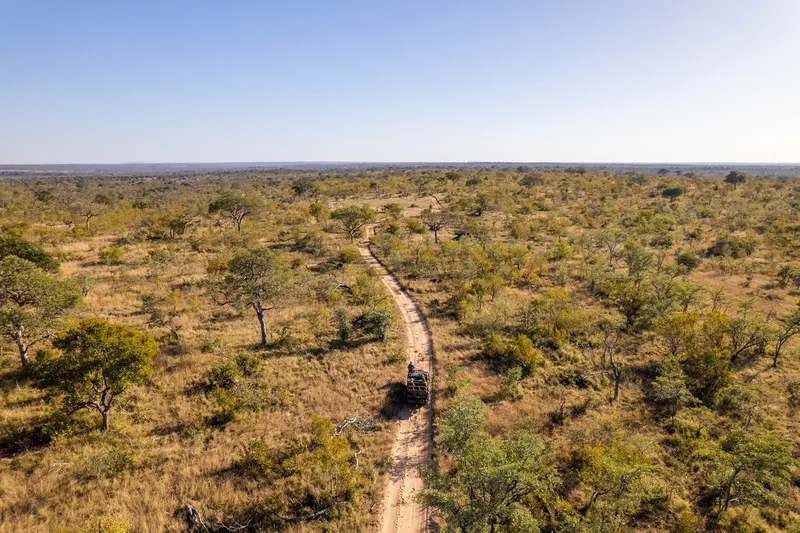
Choosing between East Africa and Southern Africa? We break down wildlife, landscapes, exclusivity, and price — and how to match your client to the right destination.
Read more
When to Go
Month-by-month seasonality for 11 regions — from the Great Migration in East Africa to gorilla trekking, Victoria Falls, Zanzibar, and the Indian Ocean islands.
Read more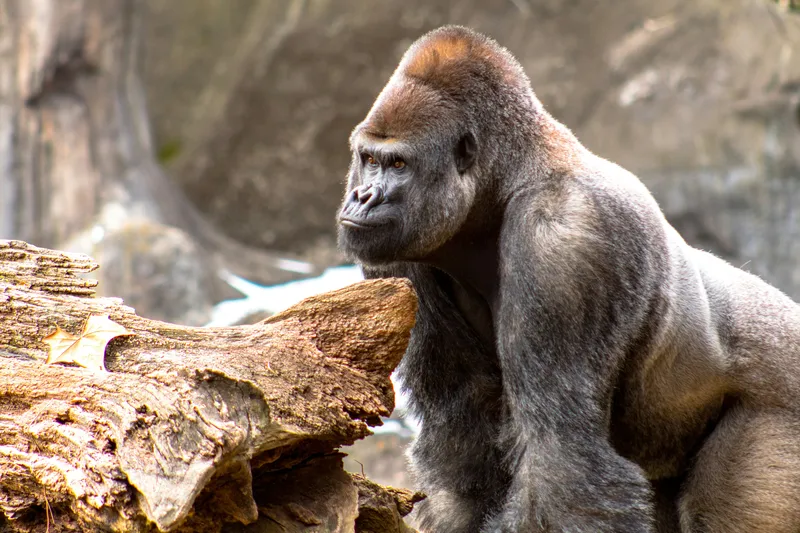
Gorilla Trekking: Rwanda, Uganda and DRC
Rwanda, Uganda, or DRC? A complete comparison of permits, trek difficulty, lodge quality, and which destination suits which traveller.
Read more
Africa Packing Lists: Safari, Gorilla Trekking & More
What to pack for safari, gorilla trekking, and coastal Africa — covering weight limits, neutral colours, and the kit that actually makes a difference.
Read more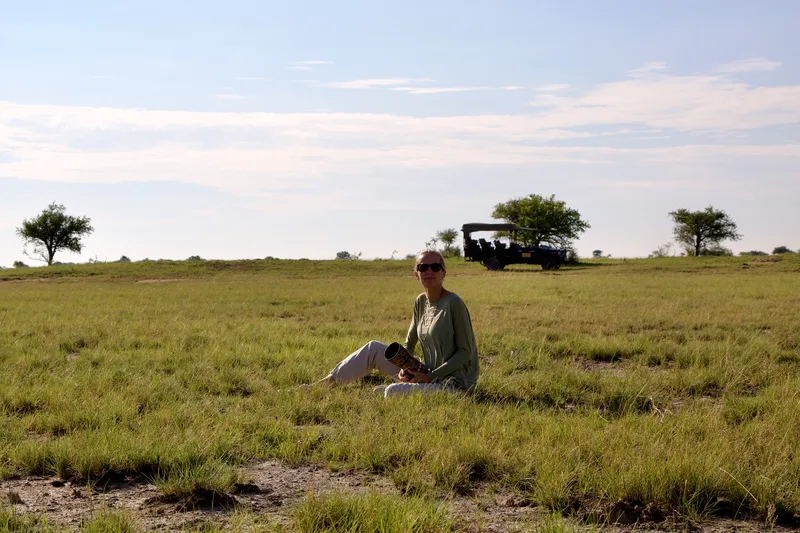
Wildlife Photography
From the exposure triangle for beginners to advanced technique and brand-specific camera settings for Canon, Nikon, Sony, and Fujifilm.
Read more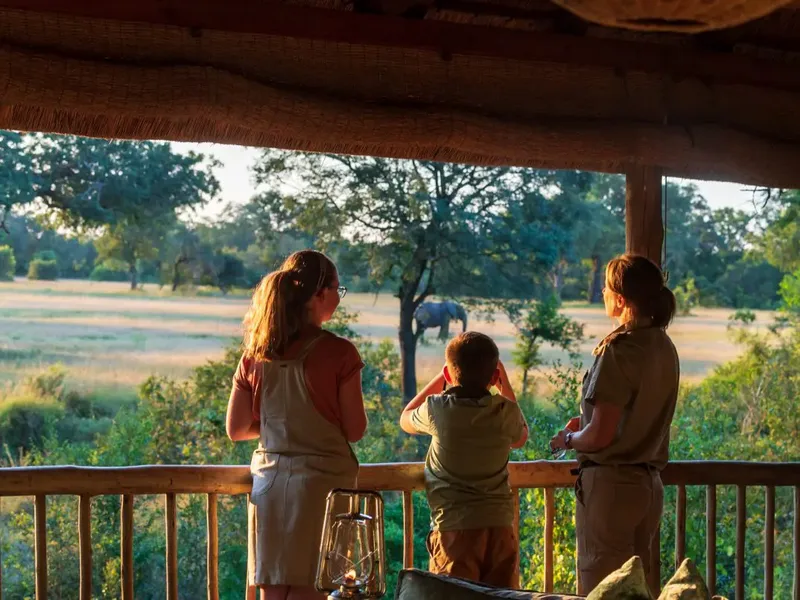
Travelling in Africa with Families
Age requirements, lodge selection, private vehicles, and how to tailor the safari experience for families travelling with children.
Read more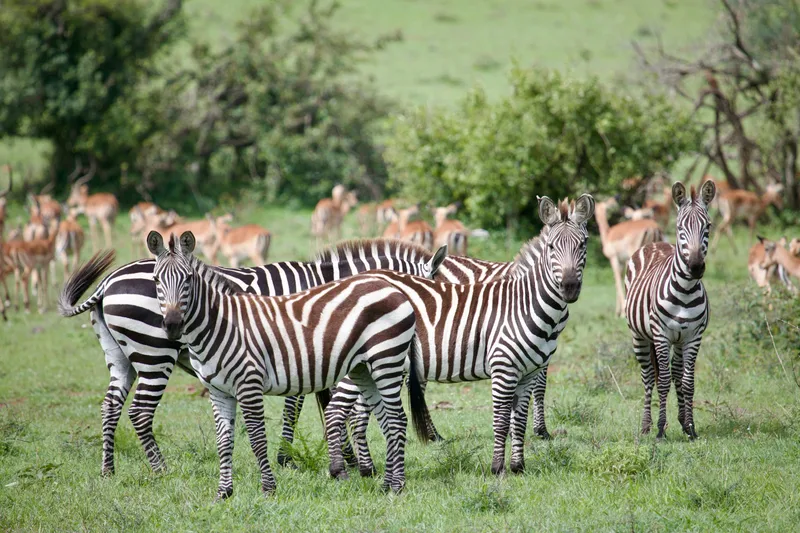
The Great Migration Explained
A year-round guide to the movement of 2 million animals across the Serengeti and Masai Mara — where to be, when, and what your clients can expect.
Read more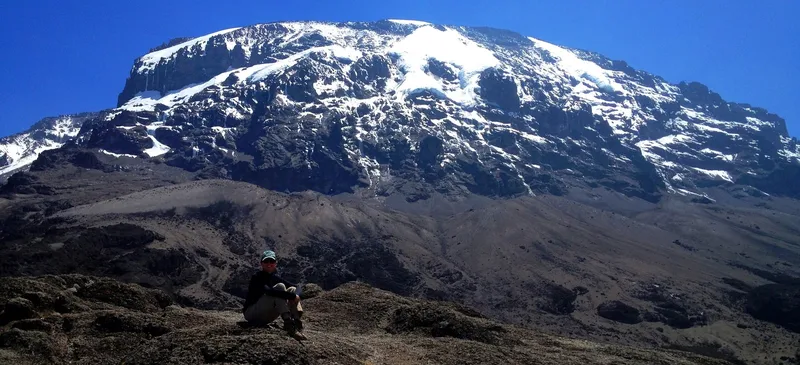
Climbing Kilimanjaro
Routes, duration, altitude, and preparation — a practical guide to planning a Kilimanjaro climb for your clients.
Read more
Honeymoons in Africa
Private safari camps, barefoot beach escapes, and extraordinary landscapes — a guide to planning bespoke African honeymoons for your clients.
Read more
Southern Africa: Know Before You Go
The pre-trip essentials for Southern Africa — visas and passports, departure taxes, yellow fever and malaria, money and cards, tipping, and bush-flight luggage limits. Fact-checked and dated.
Read more
East Africa: Know Before You Go
The pre-trip essentials for Kenya, Tanzania, Uganda and Rwanda — eTA and visas, the East Africa Tourist Visa, yellow fever certificates, malaria, money and cards, tipping, gorilla permits, and 15kg bush-flight limits. Fact-checked and dated.
Read more