Practical Guide
Southern Africa Know Before You Go
The Pre-Trip Essentials
Southern Africa is one of the most rewarding regions to sell — and one of the most detail-heavy. Entry rules, money, health requirements and strict bush-flight luggage limits all vary country by country and change often. This guide pulls the practical pre-departure information into one place, fact-checked and dated so you can share it with confidence.
Verified current as of June 2026. Visa rules, fees, taxes and currency arrangements in this region change frequently — Namibia, Zambia, Zimbabwe and Mozambique have all changed entry requirements recently. Always reconfirm against official sources close to travel, and treat fees as indicative.
Passports & Visas
The matrix below is for Australian passport holders on a tourist visit. Requirements for US, UK and Canadian passport holders are broadly similar, with the differences noted underneath. When in doubt, the destination's official e-visa portal or nearest embassy is the authority.
Verified June 2026
For trips combining Zambia and Zimbabwe (Victoria Falls), the KAZA Univisa — US$50, valid 30 days — covers both countries with unlimited crossings, plus day trips into Botswana via the Kazungula border (e.g. Chobe). It is operational and issued at major airports and border posts. Since Zambia is now visa-free, its main value is the Zimbabwe side and the convenience of repeated crossings.
Mozambique: US, UK and Canadian citizens are visa-exempt for 30 days but must obtain an Electronic Travel Authorisation (ETA) via the official portal before travel — apply at least 48 hours ahead. (Australians are not on Mozambique's visa-exempt list and must obtain an e-visa through the same portal.)
Zimbabwe visa-on-arrival fees differ by nationality: US and Australian ≈US$30 single, UK ≈US$55 single, Canada ≈US$75 single. Otherwise entry requirements broadly match the table above.
South Africa no longer requires unabridged birth certificates for foreign minors travelling with a parent on a valid passport. However, a child travelling with only one parent — or with someone who is not their parent — should carry a parental consent affidavit from the absent parent(s), a copy of their ID/passport, and contact details. Carry supporting documents even when not strictly required.
SA Traveller Declaration
From 1 July 2026, South Africa requires every traveller to submit an online Traveller Declaration when entering or leaving the country — by air, land, sea or rail. It replaces the old paper card and covers goods, including currency, in their possession. We've broken down who must declare, timing, children, the transit exemption and the offline fallback — with the official SARS form and FAQ — in a dedicated guide.
Verified July 2026
Departure Taxes
On scheduled commercial flights these charges are almost always already included in the airfare — they are only ever collected separately in the rare case they were not bundled into the ticket.
Verified June 2026
Zimbabwe levies airport charges of roughly US$15 per person on domestic flights (Passenger Service Charge plus the Aviation Infrastructure Development Fund) and US$50 per person on regional and international flights. These are normally included in the airline ticket; carry small USD notes as a fallback.
Zambia applies a nominal departure tax that is normally included in your airfare on both international and domestic scheduled flights. It is only payable at the airport if it was not already bundled into the ticket, which is rare on commercial routes.
Health & Vaccinations
These are general guidelines, not medical advice — clients should consult their doctor or a travel clinic before departure, as requirements can change.
Verified June 2026
None of South Africa, Botswana, Namibia, Zambia, Zimbabwe or Mozambique carries a risk of yellow fever, and no vaccine is needed to travel between them. A certificate is only required if you arrive from — or transit more than ~12 hours through — a country the WHO lists as having yellow fever risk (much of tropical East, Central and West Africa, and tropical South America). South Africa dropped its old Zambia-transit rule in 2015, so a Victoria Falls–to-Johannesburg routing needs no certificate.
Malaria is present in the prime safari regions — the Kruger Lowveld, northern Botswana (Okavango and Chobe), Victoria Falls and the Zambezi, all of Zambia and Zimbabwe, and Mozambique. Recommend repellent, covering up at dusk, and antimalarial prophylaxis (e.g. Malarone, doxycycline or mefloquine) via a travel clinic. Risk is seasonal and lower in the dry winter in northern South Africa and Botswana — but precautions still apply.
Cape Town, the Garden Route, the Eastern Cape (including malaria-free Big Five reserves), and most of central and southern South Africa carry no malaria risk — a useful planning lever for families with young children or travellers who would rather skip prophylaxis.
Advise clients to see a travel clinic 6–8 weeks ahead for routine and trip-specific vaccinations, malaria advice, and a small personal medical kit. Anyone with allergies, dietary needs or medical conditions should flag them at the time of booking so lodges can prepare.
Money, Cards & Currency
A mix of clean US-dollar cash and a Visa card covers almost every situation across the region. The details vary country by country.
Verified June 2026
US dollars are the practical currency for tips and incidentals across Zimbabwe, Zambia and Botswana. Bring crisp, undamaged notes in small denominations ($1/$5/$10/$20), series 2006 or later — worn or old-series notes are routinely refused.
South Africa uses the rand (ZAR) and has a strong, US-style tipping culture. Cards are accepted almost everywhere; ATMs are widely available. Botswana's pula is the better local currency for in-town spending there.
Visa and Mastercard are accepted at most lodges and hotels across South Africa, Botswana and Namibia; Amex much less so. In Zimbabwe, Visa is effectively the only reliable card — Mastercard and Amex have largely withdrawn — so cash USD is essential there.
Zimbabwe still runs a multi-currency system and the US dollar dominates everyday transactions and tourism. A local currency (ZiG, introduced 2024) circulates but travellers do not need it — prices are quoted in USD. Tell your bank your travel countries before departure.
Tipping at a Glance
Tipping is an established and meaningful part of travel across the region — a valued part of staff income, and entirely at the traveller's discretion. The quick guide below is anchored in US dollars, which travel best; South Africa works in rand.
Luggage & Bush Flights
Light-aircraft transfers between camps have strict, non-negotiable luggage rules — the single most common source of pre-trip surprises. Soft bags only, and weight limits are enforced. Always confirm the exact limit with the contracted operator, as it genuinely differs between charter companies.
How the Flying Works
A few things worth setting expectations on before your clients travel.
Unless privately requested, light-aircraft transfers run on scheduled routings and may stop at other airstrips to pick up or drop other guests. Parties are occasionally split across aircraft, though operators try to avoid it.
Inter-camp flight times are usually confirmed only a few days out, and can shift at short notice — charter aircraft must be serviced every 100 flying hours, and some transfers move to the cooler early morning or late afternoon for safety. Camps are advised of updated times so transfers line up.
Allow at least one hour for domestic flights, two hours for regional and international flights, and three hours for flights to the USA. International bag-drop often closes 60–90 minutes before departure.
Most lodges include laundry, so three to four changes of clothing is plenty for an entire trip. Packing light makes the weight limits a non-issue and leaves room for the return journey.
Seasons & Climate
Southern Africa's seasons are broadly the reverse of the northern hemisphere. The dry winter (May–September) is the classic safari window — sparse bush and animals concentrated at water — while the green summer brings dramatic skies, newborn wildlife and superb birding. For a region-by-region, month-by-month breakdown, see our seasonality guide.
The Western Cape is the exception to the pattern — it has a Mediterranean climate and gets its rain in winter, with hot, dry summers. The Cape mountains and the Drakensberg can see snow in winter. On safari, the dry winter months deliver the most reliable game viewing across Kruger, Botswana and the Zambezi.
Packing for Safari
Pack neutral colours — khaki, olive, beige, brown — and avoid white (impractical), bright colours, and dark blue or black (which attract insects). Layering is the key: hot days, cold dawn game drives. Bring a good sunscreen, a wide-brimmed hat, insect repellent, 8×42 binoculars, and a warm jacket even in summer. Most lodges include laundry, so pack light. Our full packing guide has detailed lists for safari, gorilla trekking and the coast.
Official Sources
Every link below points to an official government department or airline — the only sources you and your clients should rely on for visas and entry. Avoid third-party 'visa service' sites, which often charge inflated fees and are not authoritative. Reconfirm fees and requirements close to the travel date.
Links checked June 2026
Entry & Visas
- South Africa — Dept of Home AffairsVisa & entry requirements; ETA portal at eta.dha.gov.za
- South Africa — SARS Traveller DeclarationMandatory online declaration from 1 Jul 2026; form + FAQ
- Botswana — Government visa applicationsOfficial e-visa: evisa.gov.bw
- Zambia — Department of ImmigrationVisa-exempt list & KAZA Univisa
- Zimbabwe — eVisa (official)Dept of Immigration: zimimmigration.gov.zw
- Namibia — MHAISS e-Servicese-Visa & visa on arrival
- Mozambique — eVisa & ETA (official)National Migration Service portal
Health & Vaccinations
- WHO — Travel advice & yellow feverInternational travel and health guidance
- US CDC — Travelers' HealthDestination malaria & vaccine recommendations
- Smartraveller (Australian Government)Per-country advice for Australian travellers
Flights & Luggage
- Airlink — baggage policyRegional scheduled flights
- Air BotswanaScheduled allowances & FAQs
- South African AirwaysBaggage policy
- Light-aircraft chartersAlways confirm with the contracted bush-flight operator
Let's Build the Itinerary
From visas and bush flights to the right camps at the right time of year, we handle the detail so you don't have to. Talk to our Africa specialists and we'll tailor it to your client.
More Agent Guides
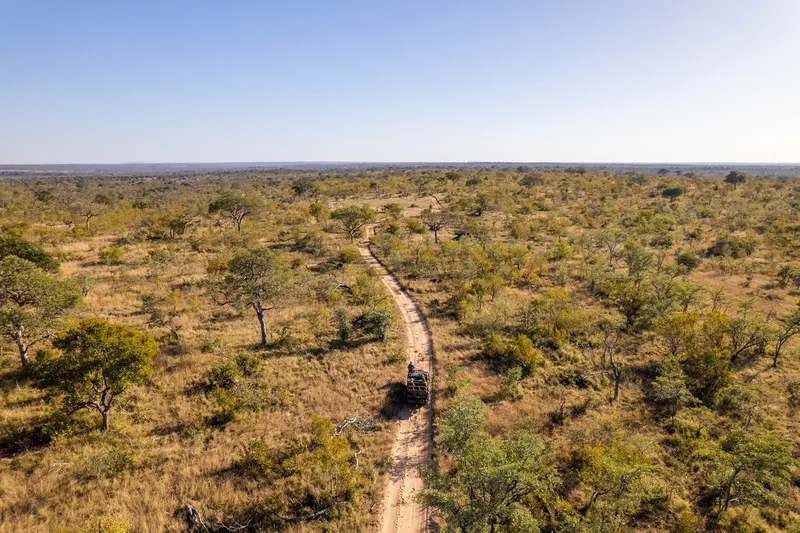
Comparing Safari in East and Southern Africa
Choosing between East Africa and Southern Africa? We break down wildlife, landscapes, exclusivity, and price — and how to match your client to the right destination.
Read more
When to Go
Month-by-month seasonality for 11 regions — from the Great Migration in East Africa to gorilla trekking, Victoria Falls, Zanzibar, and the Indian Ocean islands.
Read more
Gorilla Trekking: Rwanda, Uganda and DRC
Rwanda, Uganda, or DRC? A complete comparison of permits, trek difficulty, lodge quality, and which destination suits which traveller.
Read more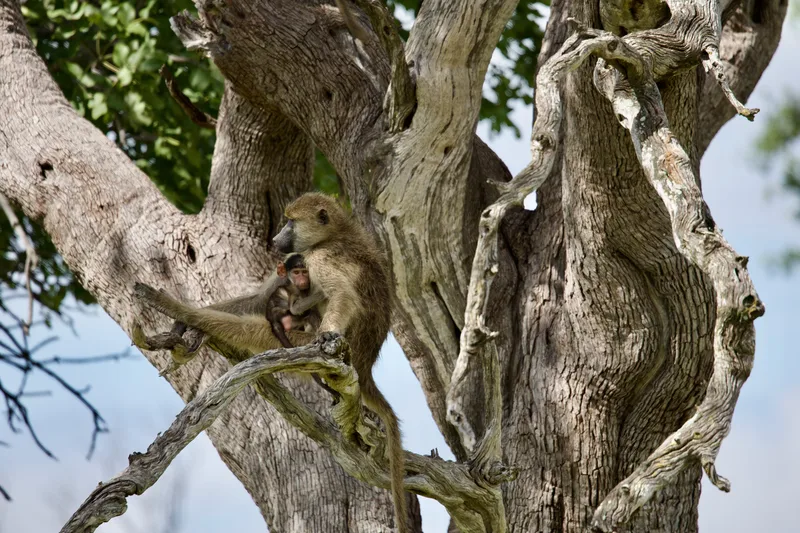
Africa Packing Lists: Safari, Gorilla Trekking & More
What to pack for safari, gorilla trekking, and coastal Africa — covering weight limits, neutral colours, and the kit that actually makes a difference.
Read more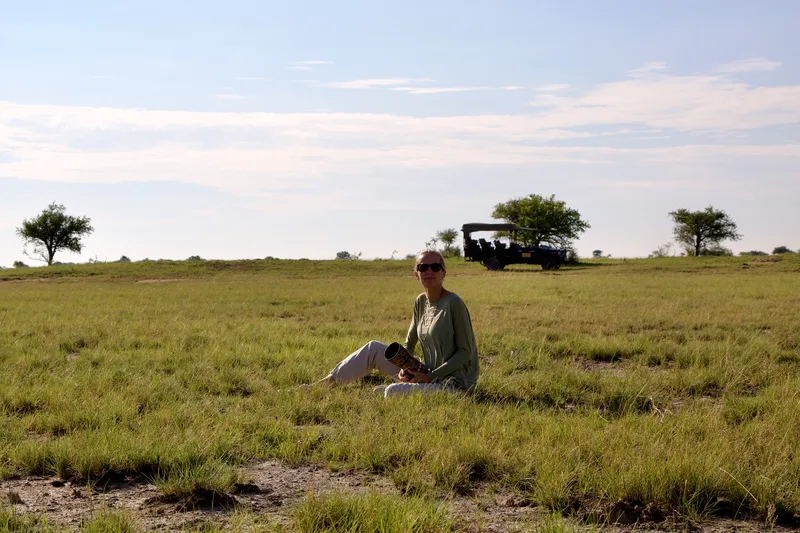
Wildlife Photography
From the exposure triangle for beginners to advanced technique and brand-specific camera settings for Canon, Nikon, Sony, and Fujifilm.
Read more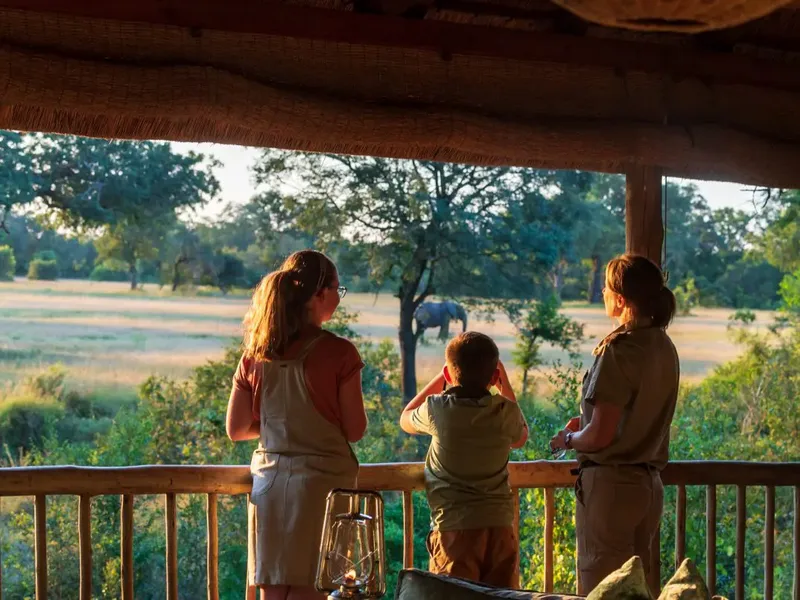
Travelling in Africa with Families
Age requirements, lodge selection, private vehicles, and how to tailor the safari experience for families travelling with children.
Read more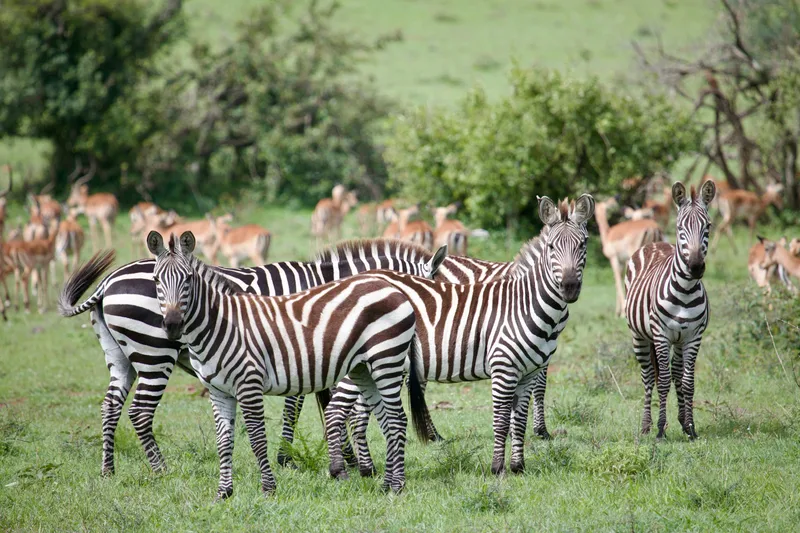
The Great Migration Explained
A year-round guide to the movement of 2 million animals across the Serengeti and Masai Mara — where to be, when, and what your clients can expect.
Read more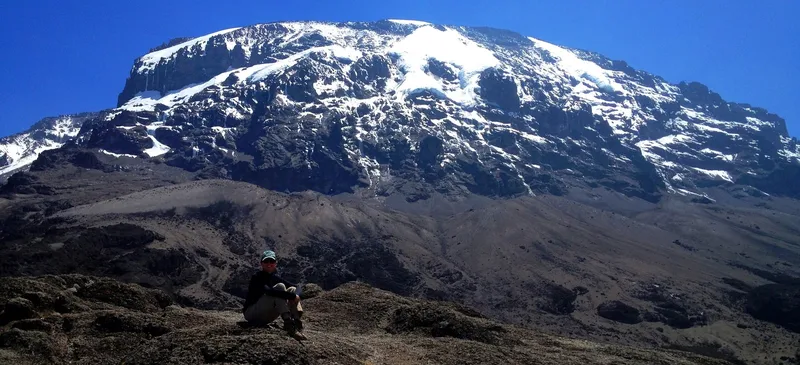
Climbing Kilimanjaro
Routes, duration, altitude, and preparation — a practical guide to planning a Kilimanjaro climb for your clients.
Read more
Honeymoons in Africa
Private safari camps, barefoot beach escapes, and extraordinary landscapes — a guide to planning bespoke African honeymoons for your clients.
Read more
Southern Africa: Know Before You Go
The pre-trip essentials for Southern Africa — visas and passports, departure taxes, yellow fever and malaria, money and cards, tipping, and bush-flight luggage limits. Fact-checked and dated.
Read more
East Africa: Know Before You Go
The pre-trip essentials for Kenya, Tanzania, Uganda and Rwanda — eTA and visas, the East Africa Tourist Visa, yellow fever certificates, malaria, money and cards, tipping, gorilla permits, and 15kg bush-flight limits. Fact-checked and dated.
Read more